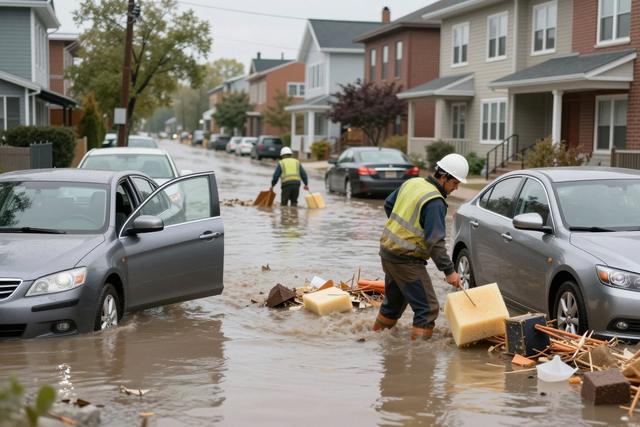
Heavy, short‑duration rain on Saturday, June 20, 2026, triggered flash flooding across Montreal’s West Island, marking the fourth time homes in the area have been inundated since 2017. The sudden deluge forced residents to contend with water damage and prompted immediate action from local authorities.
In response, the City of Montreal and the municipalities that make up the West Island have begun developing a series of long‑term flood‑mitigation measures. Among the options under consideration are sponge parks, designed to absorb excess rainwater, and retention basins that can temporarily hold runoff during intense storms. These projects aim to reduce the impact of future flash floods and protect residential neighbourhoods.
Municipal officials emphasized that the repeated flooding events have highlighted the need for durable infrastructure solutions. The region’s history of four flooding incidents over the past nine years underscores the vulnerability of homes to sudden, heavy rainfall. By investing in landscape‑based interventions such as sponge parks, the authorities hope to integrate water management into the community’s existing green spaces.
The planning process will involve coordination between the City of Montreal and the individual West Island municipalities to identify suitable sites for the new structures. While specific timelines and budgets have not been disclosed, the agencies have indicated that the measures will form part of a broader strategy to enhance resilience against extreme weather events. Residents are expected to be consulted as the projects move forward, ensuring that the proposed solutions align with local needs and priorities.