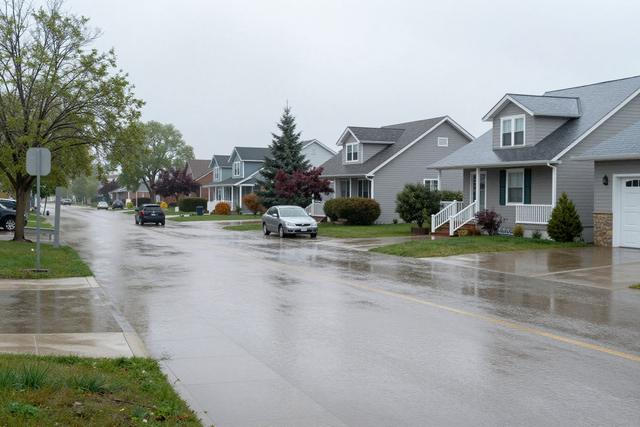
On June 20, 2026, torrential rainstorms triggered flash flooding across Montreal's West Island, inundating homes and prompting the City of Montreal together with West Island municipalities to announce plans for new flood‑mitigation infrastructure. The emergency response focused on immediate safety, while officials outlined longer‑term projects intended to reduce the impact of future storms.
The recent event marks the fourth occurrence since 2017 in which the same residential areas have experienced significant flooding. Some houses in the region have been flooded four times over the past nine years, underscoring a pattern of repeated water damage that local authorities say requires permanent solutions rather than temporary fixes.
Among the measures under consideration are the creation of sponge parks—green spaces designed to absorb excess rainfall—and the construction of retention basins that can temporarily hold runoff during heavy storms. These elements are part of a broader strategy to manage stormwater more effectively across the West Island, where the terrain and aging drainage systems have contributed to recurring flood events.
City officials and municipal representatives emphasized that the proposed projects will be integrated into existing urban planning frameworks. The goal is to enhance the region's resilience by incorporating natural water‑absorption areas and engineered storage facilities. By doing so, they aim to protect homes and reduce the frequency of flood‑related disruptions for residents.
The announcement follows a series of community meetings held after the June 20 flooding, during which residents highlighted the ongoing challenges of repeated water damage. While detailed timelines and funding allocations have not yet been released, the collaborative effort between the City of Montreal and West Island municipalities signals a coordinated approach to address the chronic flooding issues that have affected the area for nearly a decade.