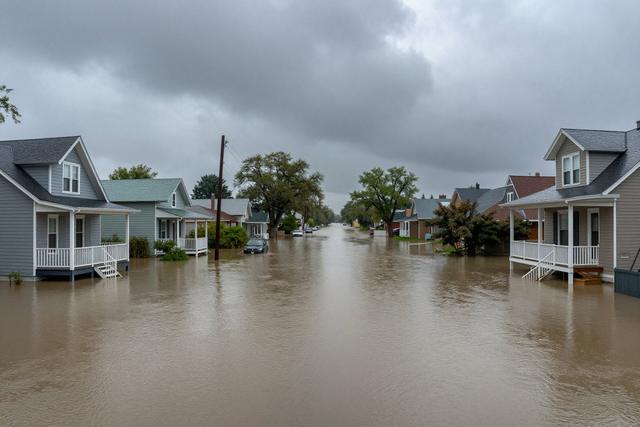
On Saturday June 20, heavy rain caused flash flooding in the West Island of Montreal, inundating homes for the fourth time since 2017. The City of Montreal and local West Island municipalities responded by announcing plans for additional flood‑mitigation measures.
The proposed measures include sponge parks and retention basins designed to absorb excess runoff and temporarily store water during intense storms. Officials say these features aim to reduce the speed and volume of water reaching residential areas.
The decision follows a pattern of repeated flooding events across the West Island. Since 2017, four separate incidents have forced residents to deal with water damage, prompting community calls for more durable protection.
City and municipal engineers will assess suitable sites for the new infrastructure, taking into account the geography of the area and the frequency of heavy rainfalls. The initiative is part of a broader effort to shift from short‑term emergency responses to longer‑term resilience.
While the specific timeline for construction has not been disclosed, officials indicated that planning will begin promptly, with the goal of having functional installations before the next major storm season. Residents who have experienced previous floods hope the new systems will lessen future disruptions.
The flood event on June 20 highlighted the vulnerability of the West Island to rapid rainfall, reinforcing the need for proactive planning. By incorporating green infrastructure such as sponge parks, the municipalities aim to balance flood control with environmental benefits.
The collaboration between the City of Montreal and the West Island municipalities reflects a coordinated approach to address a recurring natural hazard. The upcoming projects represent a tangible step toward safeguarding homes and reducing the impact of future flash floods.