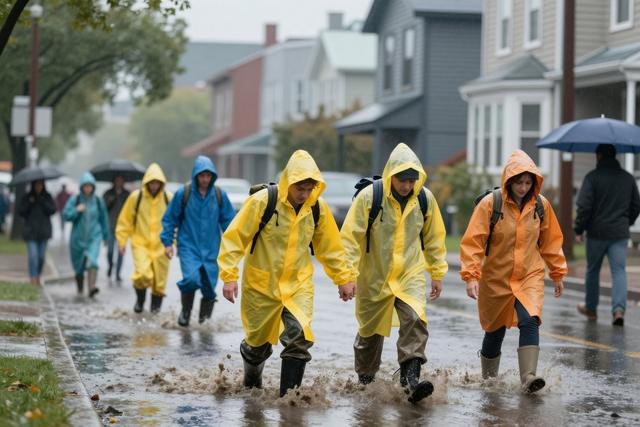
West Island residents began clearing floodwater and debris on June 22 after the area received more than 150 millimetres of rain, a volume that caused extensive flooding across the community. The storm’s intensity left streets and homes inundated, prompting a swift response from both locals and municipal authorities.
Residents took to their neighbourhoods with pumps, shovels and sandbags, working to remove standing water and clear away the material washed in by the downpour. Their efforts focused on restoring access to driveways, sidewalks and public pathways that had become impassable. In many cases, homeowners coordinated with neighbours to transport debris to designated collection points, aiming to prevent further blockages in drainage systems.
Montreal city officials monitored the situation and provided guidance on safe cleanup practices. They also reminded the public of the importance of maintaining clear drainage channels and urged residents to consider long‑term flood‑prevention measures. While the immediate priority was to reduce the water levels and clear the streets, officials highlighted that the recent rainfall underscored the need for ongoing infrastructure assessments.
The heavy precipitation on June 22 marked one of the most severe weather events the West Island has faced in recent years. Local authorities noted that the volume of rain exceeded typical summer averages, contributing to the rapid accumulation of water in low‑lying areas. In response, the city pledged to review flood‑risk maps and explore additional mitigation strategies to better protect the community in future storm events.
As cleanup continues, residents remain focused on restoring normalcy to their neighbourhoods. The collaborative effort between the community and municipal services demonstrates a coordinated approach to managing the aftermath of extreme weather, with an eye toward reducing vulnerability to similar events in the future.