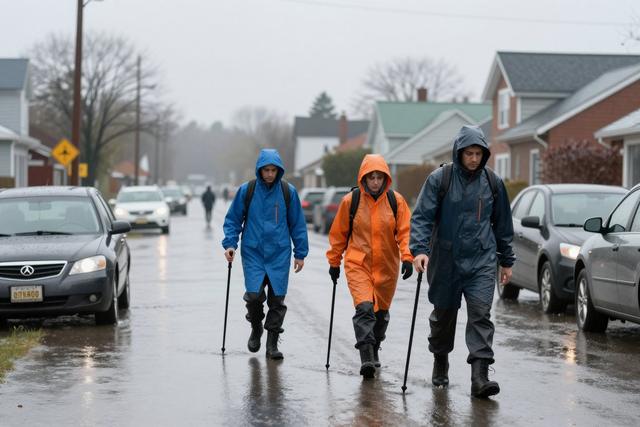
Western University researchers carried out field investigations from June 20 to June 22, 2026, focusing on the heavy‑rain flooding that struck Montreal’s South Shore and the western part of Île de Montréal in the Montérégie region of Quebec. The team’s on‑site work aimed to gather data that could clarify the mechanisms behind the recent extreme weather event.
The field study was prompted by a weekend of intense rainfall that produced widespread flooding across the South Shore communities and the western side of the island. Streets were inundated, and local infrastructure faced significant stress as water levels rose rapidly. The conditions prompted scientists from Ontario to travel to the affected areas to observe the aftermath directly.
During the three‑day investigation, the researchers documented flood extents, water flow patterns, and the interaction between urban drainage systems and natural waterways. Their observations were intended to feed into broader analyses of how such extreme precipitation events develop and impact densely populated regions.
The initiative reflects growing interest in cross‑provincial collaboration to address climate‑related hazards. By examining the Quebec flooding from an Ontario university perspective, the project underscores the importance of sharing expertise and resources across jurisdictional lines when confronting weather extremes that do not respect borders.
While the study is still in its early stages, the data collected will contribute to a deeper understanding of the factors that amplified the flooding in the South Shore and western Montreal. Researchers anticipate that their findings will inform future risk assessments, urban planning decisions, and emergency response strategies aimed at reducing vulnerability to similar events.
The fieldwork concludes with the researchers returning to Western University to analyze the collected samples and observations. Their continued efforts are part of a broader scientific push to decipher the drivers of extreme rainfall and to improve preparedness for communities facing increasingly volatile weather patterns.