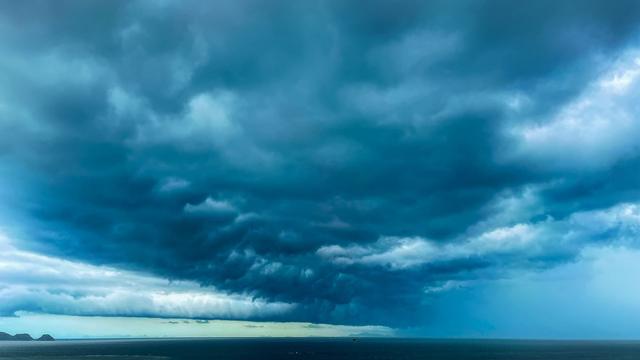
AccuWeather announced a flood watch for New York City on the afternoon of August 20, 2026, warning that thunderstorms and heavy rain are expected to intensify during the evening commute. The alert highlights the potential for flooding as rain showers move across the city in the hours when commuters are traveling home from work.
The forecast calls for a series of afternoon thunderstorms that could produce significant downpours by early evening. Meteorologists at AccuWeather noted that the timing coincides with peak travel periods, raising concerns about water accumulation on roadways, subway stations, and other transit corridors. Residents and commuters are advised to stay alert for changing conditions and to consider possible delays.
The flood watch is part of AccuWeather’s routine practice of issuing alerts when severe weather is anticipated. The service regularly monitors atmospheric patterns and releases warnings to help the public prepare for hazardous conditions. In recent years, summer evenings in New York City have frequently been marked by heavy rain, making such alerts a common feature of the city’s weather landscape.
City officials have not issued additional statements beyond the AccuWeather warning, but transportation agencies typically respond to flood watches by increasing monitoring of vulnerable infrastructure. Drivers may encounter reduced visibility and slick surfaces, while pedestrians should be cautious of standing water that can obscure hazards.
The timing of the forecast suggests that the most intense rainfall could arrive as commuters exit office buildings and board trains or buses. Those planning to travel during the evening rush hour are encouraged to allow extra time for their journeys and to stay informed through local news updates and weather services. The flood watch remains in effect until the evening passes, after which conditions will be reassessed based on observed rainfall and water levels.
Overall, the AccuWeather flood watch serves as a precautionary measure aimed at reducing the impact of sudden, heavy rain on New York City’s densely populated and heavily trafficked areas during one of the busiest times of day.