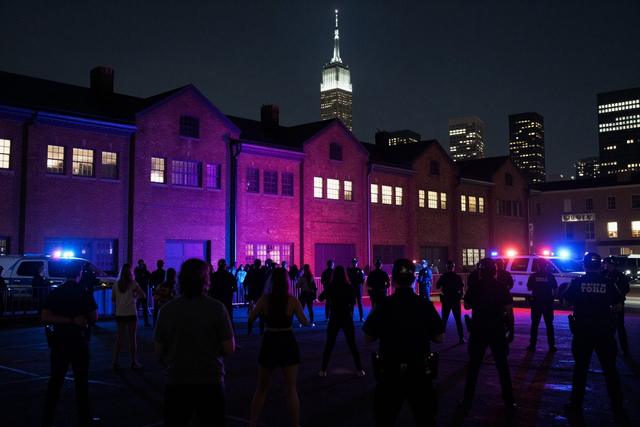
Brooklyn city councilmembers are pressing the Brooklyn Navy Yard Development Corporation to discontinue large, noisy gatherings held at the historic industrial complex. The council’s request follows a series of noise complaints lodged by residents living near the yard, who say the events disrupt the surrounding neighborhood.
The Brooklyn Navy Yard, a repurposed shipbuilding site turned mixed‑use campus, has become a venue for sizable public gatherings. While the space offers ample room for concerts, festivals and other large‑scale functions, nearby residents have reported that the sound levels from these events exceed what they consider tolerable, prompting formal complaints to local officials.
Council members, representing the affected districts, have formally urged the development corporation to review its event policies. They argue that the current approach does not adequately address the impact on the community and that a pause or reduction in the scale of events is necessary to restore peace for those living in the adjacent streets.
The Brooklyn Navy Yard Development Corporation, which oversees the management and programming of the site, has been asked to consider alternative solutions. These may include stricter sound‑level limits, revised scheduling to limit late‑night activity, or the implementation of additional sound‑mitigation measures. The corporation has not yet issued a public response, but the council’s pressure reflects growing concerns about balancing economic and cultural uses of the yard with the quality of life for local residents.
The push to limit noisy events comes amid broader discussions in the city about how to manage public spaces that attract large crowds while safeguarding neighborhood tranquility. If the council’s recommendations are adopted, the Navy Yard’s event calendar could see significant changes, potentially affecting future programming and revenue streams tied to large gatherings. The outcome will likely shape how the historic site is used moving forward, with implications for both community well‑being and the yard’s role as a cultural hub.
Council members plan to continue monitoring the situation and may pursue further actions if noise complaints persist, emphasizing the need for a sustainable balance between vibrant public use and residential peace.