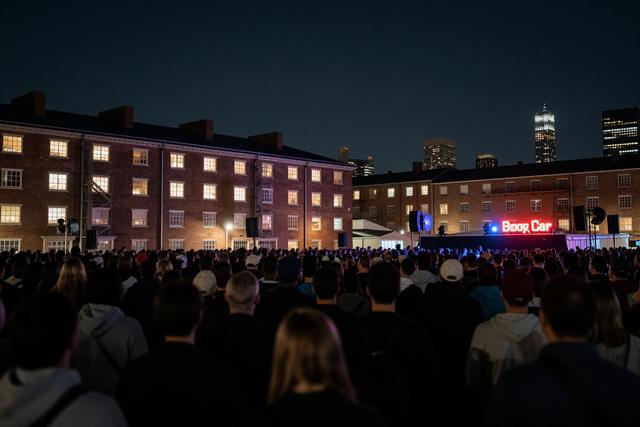
Brooklyn city councilmembers have formally asked the Brooklyn Navy Yard Development Corporation to halt large, noisy gatherings held at the historic industrial site. The appeal comes after a series of complaints from nearby residents who say the events generate disruptive sound that interferes with daily life in surrounding neighborhoods.
Council members say the volume and frequency of the gatherings have become a growing concern for the community. They argue that while the Navy Yard’s revitalization has brought new cultural and commercial activity to the area, the noise generated by some events exceeds what residents consider reasonable for a mixed‑use district. The councilors are pressing the development corporation to reassess its event‑hosting policies and consider measures such as stricter sound limits, earlier curfews, or alternative locations for particularly large productions.
The Brooklyn Navy Yard Development Corporation, which oversees the management and programming of the waterfront complex, has not yet released a detailed response to the councilors’ request. Officials acknowledge that the yard hosts a variety of public and private functions, but they have not provided specific plans for addressing the noise concerns raised by the community. The dialogue between the council and the development corporation reflects an ongoing effort to balance economic development with the quality‑of‑life expectations of long‑time residents.
Local residents have voiced frustration that the noise from concerts, festivals and other large‑scale events often extends well beyond the yard’s boundaries, affecting homes and businesses in adjacent streets. The councilors’ intervention signals a potential shift toward stricter oversight of event programming at the Navy Yard, aiming to ensure that future activities align more closely with neighborhood standards and municipal regulations.
The issue is expected to be discussed further at upcoming council meetings, where additional input from community members and Navy Yard officials may shape any forthcoming policy adjustments.