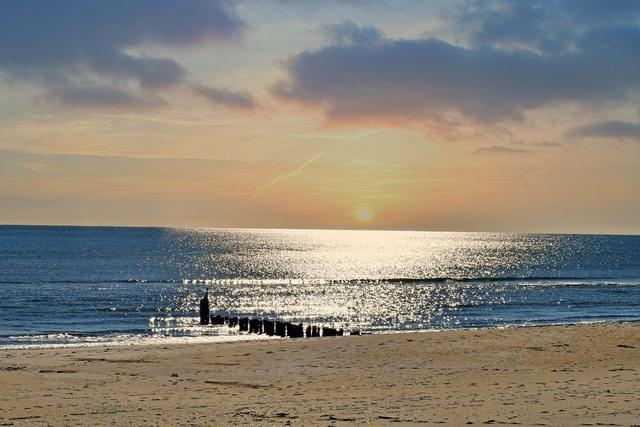
Robert Moses State Park on Long Island hosted a public safety demonstration on August 4, 2026 after lifeguards rescued three swimmers from a rip‑current the previous night. The event was organized by the park’s lifeguard team to illustrate how beachgoers can recognize and react to dangerous currents.
During the demonstration, lifeguards walked a crowd of beach visitors along the shoreline, pointing out visual signs of rip‑currents such as gaps in breaking waves and darker water moving seaward. They then entered the water to model the recommended response: turning parallel to the shore and swimming steadily until out of the current’s pull. The team also showed how to signal for help by raising an arm and calling out, and explained the importance of staying within designated swimming zones.
The demonstration was prompted by the night‑time rescue of three swimmers who had been caught in the same type of current that prompted the training. Those rescues underscored the need for public awareness of rip‑current hazards, especially as summer beach attendance rises. Lifeguards emphasized that the techniques demonstrated are applicable at any beach where rip‑currents form, and encouraged participants to share the information with friends and family.
Park officials noted that the safety session will become a recurring feature during the peak season, aiming to reduce the number of emergency responses required. Attendees were given brief printed handouts summarizing the key points of the demonstration, including how to spot a rip‑current, the safest escape method, and when to seek professional assistance.
The effort reflects a broader initiative by local lifeguard services to combine real‑world rescue experience with proactive education, hoping to empower swimmers with the knowledge needed to avoid dangerous situations before they arise.