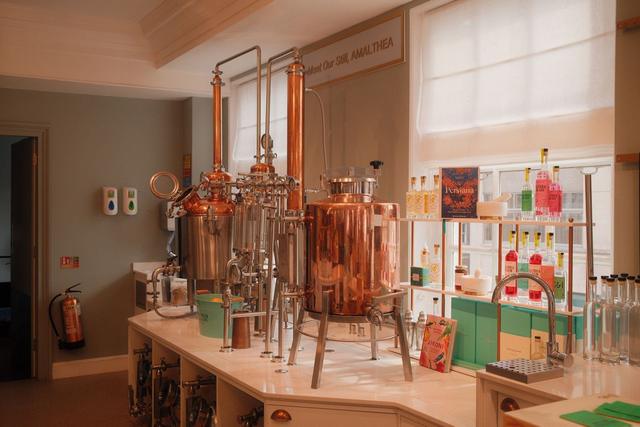
On September 5, Gil Spaier, founder of All Points Distillery in Newark, announced a plan to relocate operations to New York's Hudson Valley, citing New Jersey's restrictive alcohol-production regulations as the primary reason.
Spaier's distillery, also known as All Points West Distillery, has been operating in Newark under the state's current licensing framework. He said the existing rules make it difficult for craft producers to maintain viable production schedules and meet compliance requirements.
The move to the Hudson Valley places the business in a neighboring state with a regulatory environment that Spaier describes as more supportive of small‑scale distilling. He indicated that the relocation will allow the company to continue its craft spirit production without the constraints imposed by New Jersey law.
New Jersey's liquor statutes have been the subject of ongoing debate among industry participants and policymakers. Critics argue that the regulations are excessively stringent for craft distilleries, creating barriers that can limit growth and competitiveness. The situation has prompted calls for legislative reform aimed at easing licensing procedures and reducing operational burdens.
Several other craft distilleries in the Garden State have reported similar challenges, suggesting that Spaier's decision reflects a broader trend within the sector. Stakeholders hope that heightened attention to the issue may lead to adjustments in state policy that could retain existing producers and attract new entrants.
The relocation plan is expected to unfold over the coming months, with the Hudson Valley location slated to become the new base for All Points Distillery's production. The move underscores the impact of regulatory frameworks on the strategic decisions of small‑scale alcohol manufacturers in the region.