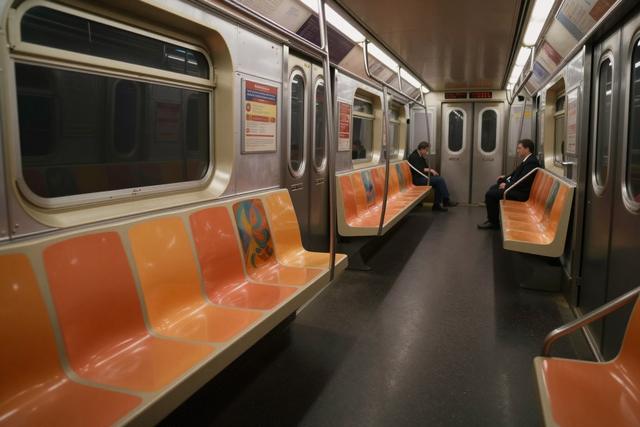
New York City is pulling the bright orange seats that have been a hallmark of its subway system for decades. The seats, first installed on select lines during the 1970s, are being taken out of service and replaced with newer models. The removal is being marked with an arts‑focused send‑off, turning the transition into a public celebration of the seats' place in the city’s transit history.
The orange seats, introduced in the 1970s as part of a modernization effort, quickly became a visual cue for riders and a nostalgic element of the subway experience. Over the years, they have appeared in photographs, films, and everyday commuter memory, symbolizing an era of bold design in the city’s public transportation.
As part of the upgrade, the transit authority is installing contemporary seating that meets current accessibility and durability standards. While the new seats promise improved comfort and maintenance efficiency, officials have chosen to acknowledge the cultural imprint of the orange fixtures. An artistic farewell, organized in collaboration with local artists, will feature installations and displays that reference the distinctive hue and its decades‑long service.
The farewell events are scheduled to occur at various stations as the seats are removed from train cars. Artists will create temporary works that incorporate the orange color and the shape of the seats, offering commuters a chance to reflect on the change. The initiative aims to blend functional improvement with a nod to the city's transit heritage, ensuring that the removal does not simply erase a familiar sight but rather commemorates it.
The transition reflects a broader effort to modernize the subway system while preserving elements of its historical identity. By pairing the practical replacement of aging equipment with an artistic tribute, the city hopes to honor the orange seats’ role in daily life and maintain a sense of continuity amid ongoing upgrades.