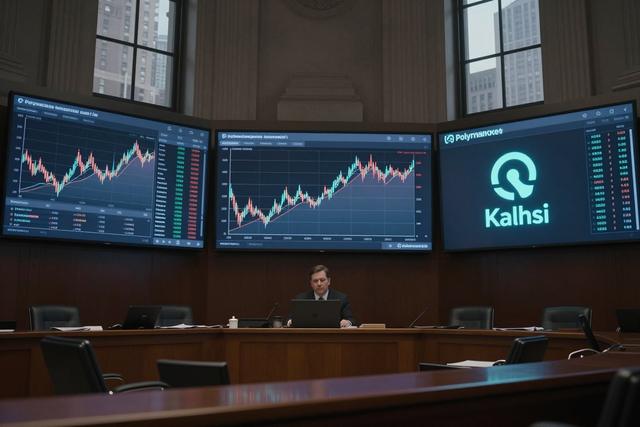
The New York City Council announced on August 12, 2026 that it is opening an investigation into whether the city can impose rules on how prediction‑market platforms promote their services across the five boroughs. Council Speaker Julie Menin led the move, directing staff to examine the legal basis for any potential advertising restrictions.
The inquiry focuses on companies such as Polymarket and Kalshi, two prominent operators of prediction markets that allow users to trade contracts tied to the outcomes of future events. While the council does not have the power to ban prediction markets outright, officials are exploring whether existing municipal statutes could be applied to limit the way these platforms market themselves to New Yorkers.
City lawyers will review the scope of current advertising regulations, consumer‑protection laws, and any precedent that might allow the council to curb promotional practices deemed misleading or harmful. The investigation will also consider how digital advertising that reaches residents of the five boroughs fits within the city’s jurisdiction, given the largely online nature of prediction‑market services.
Council members have indicated that the probe aims to protect consumers, particularly vulnerable populations, from potentially risky financial products presented through aggressive marketing. At the same time, they acknowledge the limited authority the council possesses over the operation of prediction markets themselves, noting that any action would likely be confined to advertising channels rather than the markets’ core activities.
The investigation is expected to produce a report outlining the council’s findings and any recommended legislative steps. Should the council determine that it can regulate advertising, future proposals could include disclosure requirements, age‑verification mandates, or restrictions on certain types of promotional content. The outcome will shape how prediction‑market platforms conduct outreach within New York City and may set a precedent for other municipalities evaluating similar concerns.
The council’s move reflects a broader trend of local governments scrutinizing emerging digital financial services and their impact on residents, even as state and federal regulators continue to assess the broader regulatory framework for prediction markets.