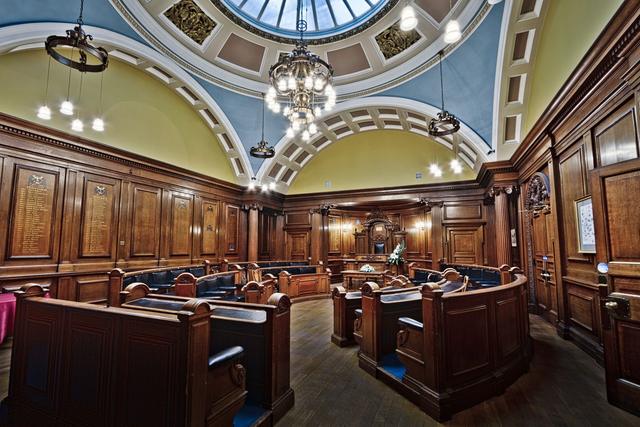
The New York City Council announced an oversight hearing to examine the rollout of the mayor's newly enacted luxury second-home tax. The hearing, slated for next week, will address concerns from homeowners who have filed thousands of exemption requests since the tax took effect.
The tax, formally known as the pied‑à‑terre levy, targets high‑value secondary residences owned by individuals who do not occupy the units as primary homes. City officials say the measure is designed to generate additional revenue for the municipal budget, helping to fund services and infrastructure projects across the city.
Since its introduction by the Mamdani administration, the tax has drawn criticism over its implementation process. Critics argue that the exemption system is cumbersome, leading many owners to seek relief from the levy. The volume of exemption applications has prompted the Council to seek a clearer understanding of how the tax is being administered and whether the intended fiscal goals are being met.
Council members plan to use the hearing to question agency staff about the criteria used to evaluate exemption requests and the timeline for processing them. They will also consider whether adjustments to the tax structure or its enforcement are needed to ensure fairness and efficiency.
The upcoming session reflects broader debates about how New York City balances revenue generation with the housing market's dynamics. While the administration emphasizes the tax's role in bolstering the city’s finances, property owners and advocacy groups remain focused on the impact of the levy on investment decisions and the availability of secondary housing.
The Council’s oversight hearing will be open to the public, allowing stakeholders to present their perspectives on the tax’s performance and its effect on the city’s fiscal outlook.