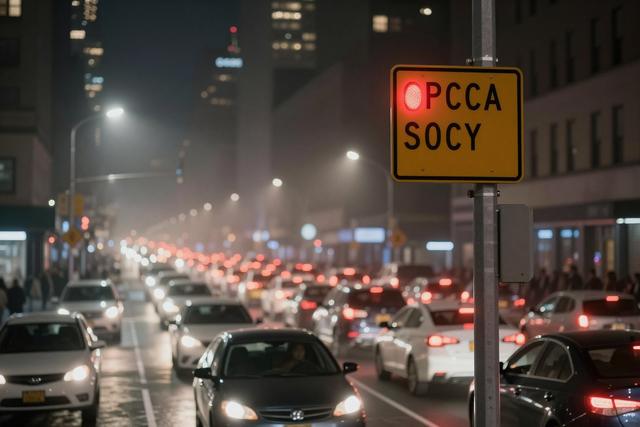
A city report released in August 2026 indicates that New York City's congestion pricing program has not produced a noticeable improvement in air quality. The findings were issued by the New York City government in conjunction with the Department of Transportation, and they address the core objective of the scheme to lower traffic‑related emissions.
The congestion pricing initiative began in 2021, imposing fees on drivers who enter Manhattan during designated peak hours. The policy was designed to reduce vehicle volume on city streets, thereby cutting emissions that contribute to smog and other pollutants. The recent analysis examined air quality data collected since the program's inception.
According to the report, measurements of pollutant levels show little change since the pricing system was implemented. The data suggest that the anticipated reduction in emissions has not materialized in a way that can be detected through the city’s air monitoring network. The findings contrast with the original expectations that charging drivers would lead to a measurable improvement in the urban atmosphere.
The Department of Transportation noted that the program continues to operate as a tool for managing traffic flow, even as the air quality impact remains uncertain. City officials have been monitoring the scheme's performance and will consider the report's conclusions in future transportation and environmental planning. The lack of a clear air quality benefit underscores the challenges of achieving measurable environmental outcomes through pricing mechanisms alone.