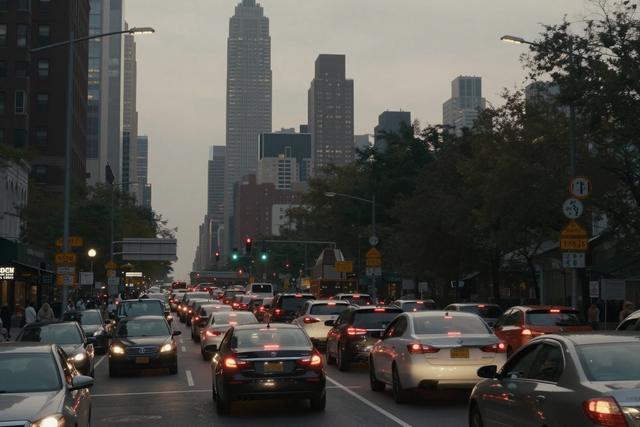
A city‑issued report released on Sunday concluded that New York’s congestion pricing program has not produced a noticeable improvement in the city’s air quality. The findings come after three years of the scheme, which charges drivers for entering Manhattan’s most heavily trafficked zones, were intended to lower vehicle emissions and improve the urban environment.
The congestion pricing plan was launched in 2023 as a response to growing concerns about traffic congestion and air pollution in the city’s core. By imposing a fee on cars, trucks and other vehicles entering designated areas during peak hours, officials aimed to discourage unnecessary trips, shift travel to public transit, and ultimately reduce the concentration of pollutants such as nitrogen oxides and fine particulate matter.
The recent analysis, compiled by New York City government staff, examined air quality monitoring data collected before and after the program’s implementation. According to the report, measurements of key pollutants have shown little change since the pricing began. City officials cited the lack of a clear trend as evidence that the program has not achieved its primary environmental objective.
While the report acknowledges that traffic volumes have decreased in the charged zones, it indicates that the reduction has not translated into a measurable improvement in ambient air quality. Officials noted that other factors, including regional emissions sources and weather patterns, may influence overall pollution levels, complicating the assessment of the program’s direct impact.
The findings arrive as the city continues to evaluate the effectiveness of its congestion pricing strategy and consider potential adjustments. City leaders emphasized that the data will inform future policy decisions aimed at balancing traffic management, environmental goals, and the economic vitality of Manhattan’s busiest districts.
The report’s release underscores the ongoing challenge of addressing urban air quality through pricing mechanisms alone, prompting officials to explore complementary measures that could enhance the city’s broader climate and health objectives.