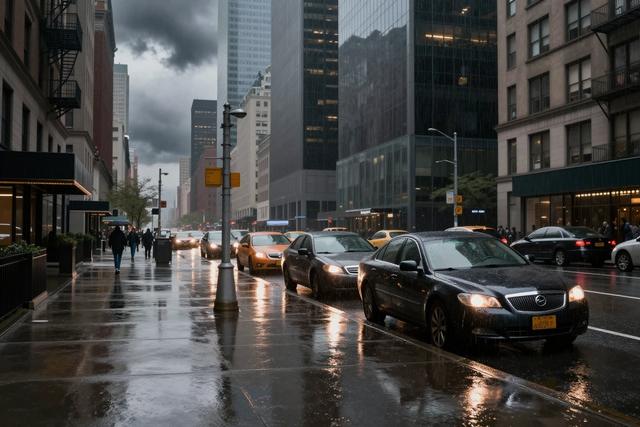
Five years after the remnants of Hurricane Ida battered New York City on August 27‑28, 2021, city officials say the metropolis continues to wrestle with serious rain‑related flooding problems. The storm produced a record amount of rainfall that resulted in 13 deaths and revealed extensive safety hazards linked to heavy precipitation.
During the two‑day event, the city experienced unprecedented water levels that overwhelmed drainage systems and inundated streets, subways and low‑lying neighborhoods. The loss of life underscored the vulnerability of urban infrastructure when confronted with extreme rain. Since then, municipal agencies have been evaluating the shortcomings exposed by the storm and working to strengthen flood defenses.
Officials note that despite ongoing mitigation projects, the risk of severe flooding persists. Climate projections suggest that intense rain events may become more frequent, raising concerns that the city’s current capacity to manage runoff could be insufficient. The focus remains on upgrading storm‑water conveyance, improving pump reliability, and enhancing early‑warning mechanisms.
Community groups and emergency responders have also been involved in preparedness efforts, emphasizing the importance of public awareness and rapid response during flash‑flood situations. Training exercises and public education campaigns aim to reduce the likelihood of future casualties similar to those suffered during Ida.
The five‑year anniversary of the storm serves as a reminder that the challenges identified in 2021 are still relevant. City leaders stress that continued investment and coordination are essential to protect residents and maintain resilience against the growing threat of extreme precipitation.
As New York City looks ahead, the lessons from Hurricane Ida remain a central reference point for policy makers, engineers and citizens alike, shaping strategies to safeguard the city against future flood events.