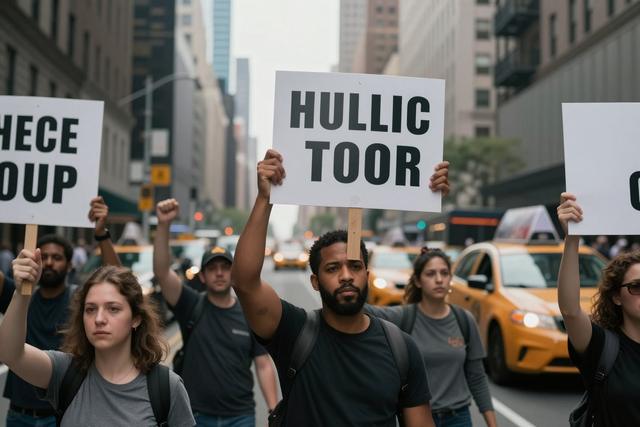
In the summer of 2026, nurses, public defenders, hotel workers and college faculty across New York City walked off their jobs and emerged with substantial contract improvements. The coordinated walkouts marked a decisive victory for organized labor seeking better terms for their members.
Each group initiated its own strike after negotiations stalled. Nurses halted patient care duties to press for stronger staffing provisions and wage adjustments. Public defenders suspended courtroom representation to demand manageable caseloads and enhanced benefits. Hotel workers stopped service operations, citing the need for fair scheduling and wage growth. College faculty walked out of classrooms, urging the city’s universities to address workload equity and pension security. Collectively, the actions forced employers back to the bargaining table.
The settlements reached delivered notable gains. All parties reported that the new contracts contain stronger compensation clauses, improved health and retirement benefits, and clearer provisions for workload and staffing levels. While the precise figures remain confidential, union leaders described the agreements as “substantial” and a clear step forward for workers’ economic security.
These victories are part of a broader surge in labor activity that has defined New York City this decade. The first half of 2026 alone saw multiple sectors—ranging from transit workers to municipal employees—stage strikes that disrupted daily life and compelled city officials to address long‑standing labor concerns. The recent successes reinforce a pattern of organized labor leveraging collective action to secure better contract terms.
Analysts note that the summer strikes may set a precedent for upcoming negotiations in other city institutions. With momentum building, labor groups appear poised to continue pressing for equitable contracts as the city navigates budgetary pressures and evolving workforce expectations.