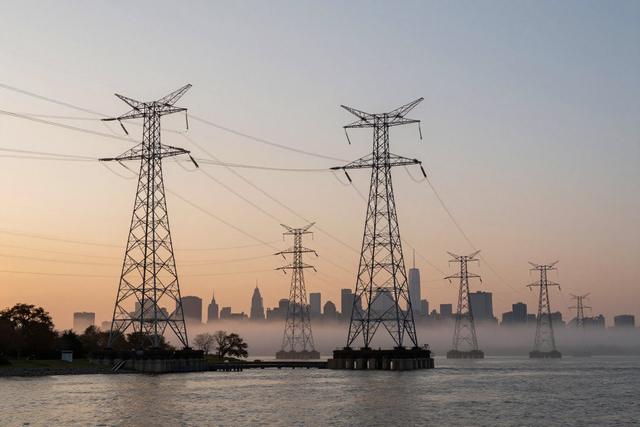
The Champlain Hudson Power Express transmission line, a $6 billion high‑voltage direct‑current project that delivers Canadian hydroelectric power to the New York City grid, has been completed and is now operating below its designed capacity. State officials, including Governor Kathy Hochul, and energy experts noted that the line is currently running at roughly 20 percent of its intended output.
The infrastructure, which spans the border from Canada into the city, was built to provide an additional source of electricity capable of meeting about one‑fifth of New York City’s total demand. Despite its potential, the line’s utilization remains limited, prompting officials to assess factors influencing the shortfall. The project’s cost, reported at $6 billion, reflects its scale and the complexity of installing a high‑voltage direct‑current system across a densely populated region.
Governor Hochul emphasized the strategic importance of diversifying the city’s energy mix with renewable sources, highlighting the line’s role in reducing reliance on fossil‑fuel generation. Energy analysts indicated that the current operating level may be due to market conditions, regulatory processes, or integration challenges with existing grid infrastructure. They suggested that adjustments in power purchase agreements or grid management could improve the line’s output.
The under‑utilization of the Champlain Hudson Power Express has drawn attention from policymakers seeking to maximize the return on the multi‑billion‑dollar investment. While the line is fully constructed, its ability to contribute up to 20 percent of the city’s electricity demand remains contingent on broader system coordination and demand‑side factors. Officials continue to monitor performance metrics as they work toward aligning the line’s capacity with the city’s energy needs.
The completion of the transmission corridor marks a significant milestone for cross‑border renewable energy collaboration, even as stakeholders evaluate steps needed to bring the project to full operational potential.