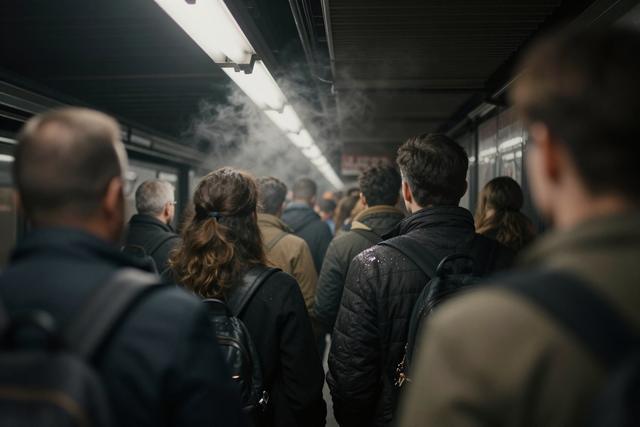
Commuters at Union Square subway station reported experiencing extreme heat on Friday afternoon, with the location described as the hottest stop in the city’s subway system. The conditions were noted at 15:00 GMT on August 14, 2026, as riders moved through the busy underground hub.
Union Square is the most heavily trafficked station in New York City’s subway network, serving multiple lines and drawing large crowds throughout the day. The high volume of passengers, combined with limited ventilation, has contributed to a reputation for unusually high temperatures inside the station. Riders described the environment as comparable to a sauna, with heat levels that made waiting for trains uncomfortable.
Transit officials have not released specific temperature readings, but the description of Union Square as the hottest station aligns with previous observations of heat buildup in crowded underground locations. The station’s layout, which includes long platforms and extensive tunnel sections, can trap warm air, especially during warm weather above ground.
The sweltering conditions affect commuters’ daily routines, as many rely on the station for access to business districts, schools, and residential areas. While the heat does not appear to have caused service interruptions, the discomfort reported by riders underscores the challenges of maintaining a comfortable environment in a high‑capacity transit hub.
City transportation agencies monitor station conditions and have undertaken measures such as increased fan operation and periodic ventilation checks in other parts of the system. However, the specific steps being taken at Union Square to address the heat on this occasion were not detailed in the report.
The situation at Union Square adds to ongoing discussions about infrastructure upgrades and climate resilience in New York’s subway network. As the busiest stop continues to draw large numbers of passengers, the need for effective temperature control remains a practical concern for both commuters and transit authorities.