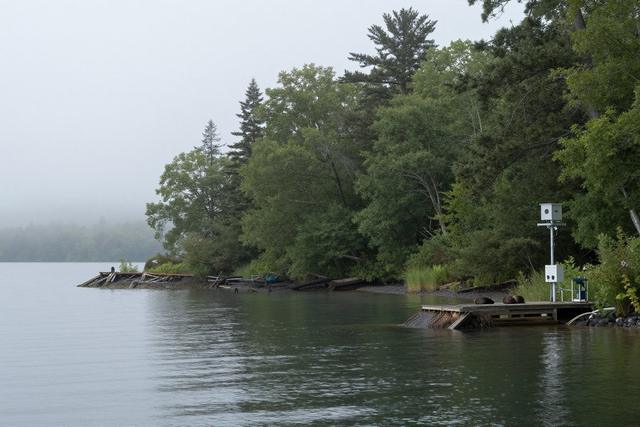
The New York Department of Environmental Conservation (DEC) announced that it will continue active rabies monitoring on Turtle Island, a small landmass in Lake George, throughout July 2026. The decision follows the recent confirmation that a beaver on the island tested positive for rabies, prompting heightened surveillance to safeguard both visitors and local wildlife.
DEC staff are maintaining a presence on Turtle Island to observe wildlife activity and to collect additional samples as needed. The agency’s routine includes visual inspections, placement of remote cameras, and the collection of specimens from animals that appear sick or display abnormal behavior. By focusing efforts on the island where the infected beaver was found, officials aim to determine whether the virus has spread to other species in the vicinity.
Rabies remains a serious concern because it can be transmitted from wildlife to humans and domestic animals through bites or contact with infected saliva. The DEC’s monitoring program is designed to identify any further cases early, allowing for rapid response measures such as targeted vaccination or removal of affected animals. Protecting public health is a primary objective, especially during the summer months when recreational use of Lake George, including boating, fishing, and shoreline activities, increases.
The continued surveillance also supports broader wildlife health goals. Detecting rabies in a beaver highlights the need for ongoing vigilance across the lake’s ecosystem, where multiple mammal species share habitats. DEC officials emphasize that the monitoring effort is part of a standard protocol to manage zoonotic diseases and to preserve the ecological balance of the region’s natural resources.