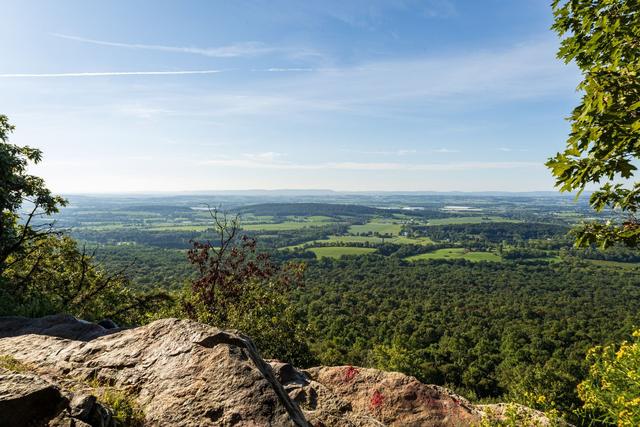
The New York State Office of Parks, Recreation and Historic Preservation announced that an undeveloped section of Saratoga Spa State Park will be opened to white‑tailed deer hunting for the 2026‑27 season. This marks the first occasion the park has permitted hunting activity within its boundaries.
The decision creates a regulated hunting area where hunters may pursue white‑tailed deer under the guidelines set by state wildlife officials. By designating a specific portion of the park, the agency aims to provide a controlled environment for hunting while maintaining the overall integrity of the park’s recreational resources.
The opening of the hunting zone aligns with the agency’s broader effort to balance conservation, public use, and wildlife management. The designated area has remained undeveloped, allowing the department to introduce hunting without affecting the park’s existing trails, facilities, and other visitor activities. The regulated nature of the season ensures that hunting will be conducted in accordance with state hunting regulations, including season dates, licensing requirements, and safety protocols.
Park officials noted that the inclusion of a hunting season is intended to offer additional outdoor opportunities for residents and visitors who participate in regulated hunting. The move also reflects an effort to manage the white‑tailed deer population in a manner consistent with ecological and public safety considerations.
The 2026‑27 hunting season will follow the standard schedule established for white‑tailed deer across New York State. Participants will be required to hold appropriate hunting licenses and adhere to all posted rules within the designated area. The New York State Office of Parks, Recreation and Historic Preservation will monitor the season to ensure compliance and to evaluate the impact of hunting on the park’s ecosystem.
The opening of this hunting zone provides a new avenue for regulated hunting in Saratoga Spa State Park, expanding the range of outdoor activities available to the public while maintaining oversight and protection of the park’s natural resources.