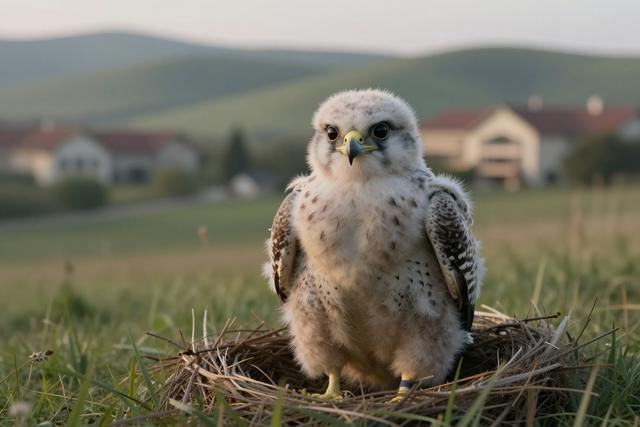
In August 2026 an endangered Montagu’s harrier managed to raise a brood of chicks at a location that officials have chosen to keep undisclosed. The breeding success represents a significant milestone for a species that has struggled to reproduce in the wild for decades.
The raptor, known for its low‑flying hunting style over open fields, is listed as threatened across much of its range. Conservationists have long warned that loss of suitable nesting habitat and disturbance from human activity have limited the bird’s ability to complete its breeding cycle. The recent successful rearing demonstrates that carefully protected sites can provide the conditions necessary for the species to thrive.
Authorities monitoring the secret site have emphasized that secrecy is essential to shield the young birds from predators, poaching and inadvertent human interference. By limiting public knowledge of the exact location, the birds are afforded a higher chance of survival during their most vulnerable stages.
The achievement aligns with broader wildlife recovery programs that aim to restore populations of raptors and other imperiled species. Efforts such as habitat restoration, controlled grazing regimes and the installation of artificial nesting platforms have been deployed in various regions to support breeding. While the Montagu’s harrier’s success at this hidden site is a single event, it offers a tangible example of how targeted protection can yield measurable results.
Experts caution that continued vigilance is required to maintain momentum. Ongoing monitoring, protection of surrounding landscapes and community engagement remain critical components of the recovery strategy. The fledging of the chicks adds a hopeful note to the long‑term outlook for the species, suggesting that with sustained effort the Montagu’s harrier may gradually rebuild its numbers.
The incident underscores the importance of discreet, science‑driven interventions in conserving threatened wildlife, and it provides a benchmark for future initiatives aimed at securing the future of this iconic bird of prey.