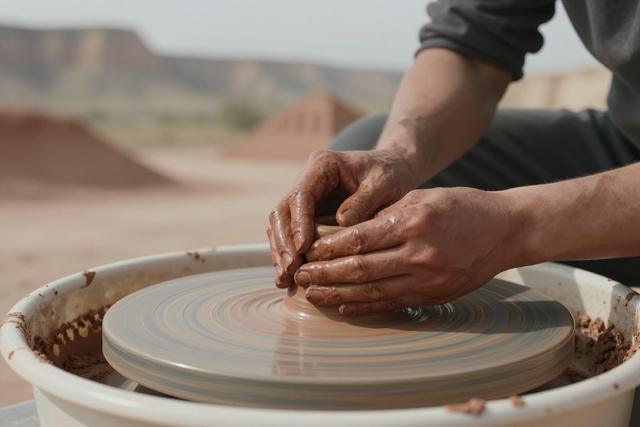
Saratoga County residents gathered in September 2026 as a community studio joined forces with local historians, geologists and ceramic artists to investigate 19th‑century pottery‑making sites scattered across the region. The collaborative effort aims to both document the area’s historic clay deposits and translate the findings into new ceramic works, thereby preserving and reviving the county’s long‑standing ceramic heritage.
The project began with a survey of known and suspected pottery locations, guided by geological assessments that identified fertile clay beds beneath the county’s rolling terrain. Historians supplied archival maps and records that pinpointed former kiln sites, while the studio’s artists prepared to interpret the material discoveries through contemporary craft. Together the teams mapped several promising dig sites, noting the depth and composition of clay layers that once fed local potters.
Excavations proceeded under the supervision of geologists, who documented soil strata and collected samples for further analysis. The recovered clay was tested for purity, color, and workability, confirming its suitability for traditional hand‑building and wheel‑throwing techniques. As the historic material emerged, ceramic artists began shaping it into new vessels, deliberately echoing the forms and finishes documented in 19th‑century examples.
The partnership also includes an educational component. Workshops open to the public demonstrate the process of extracting, preparing, and firing the clay, linking modern practitioners with the skills of their forebears. Local historians present short talks on the economic and cultural role of pottery in Saratoga County during the 1800s, providing context for the artistic reinterpretations.
By merging scientific inquiry with artistic creation, the initiative seeks to safeguard a fading aspect of regional identity while offering fresh, locally sourced ceramics for contemporary use. The collaborative model illustrates how arts and history groups can jointly protect cultural resources and inspire community engagement with the county’s material past.