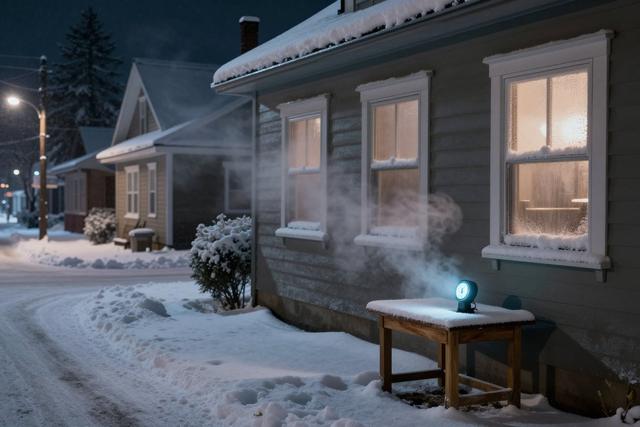
Northeast homeowners are expected to confront increased heating expenses during the 2026‑2027 winter season as fuel prices rise sharply. The surge in costs follows recent spikes in fuel prices that analysts link to ongoing global conflicts, which have disrupted supply chains and elevated market rates.
The region, which includes states from Maine to Pennsylvania, relies heavily on fuel for residential heating. With winter approaching, the higher cost of oil, natural gas, and other heating fuels is set to translate directly into larger utility bills for households. Energy providers have warned customers that the price adjustments will be reflected in monthly statements throughout the heating months.
Industry observers note that the current price environment stems from geopolitical tensions that have limited the flow of fuel commodities worldwide. While the exact impact on individual bills varies based on consumption patterns and the type of fuel used, the overall trend points toward a noticeable rise in household heating budgets compared with previous winters.
Local officials have highlighted the potential strain on families, especially those already managing tight finances. They are encouraging residents to explore energy‑saving measures, such as sealing drafts, upgrading insulation, and using programmable thermostats, to mitigate the financial impact. No specific assistance programs have been announced, but community resources may become available as the season progresses.
The situation underscores the broader connection between international events and everyday living costs in the United States. As the winter months unfold, Northeast homeowners will monitor their heating bills closely, adjusting usage and budgeting accordingly to navigate the elevated expenses driven by global fuel market fluctuations.