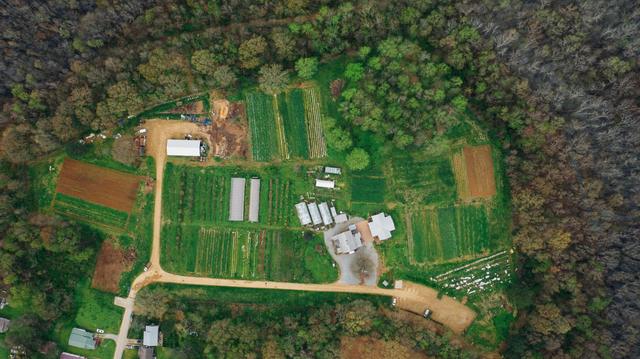
A Northumberland couple has secured a 75‑acre parcel of land in Saratoga County, New York, ensuring that the property will continue to operate as working farmland dedicated to the care of retired racehorses. The preservation agreement, finalized in 2026, guarantees that the acreage will remain devoted to equine rehabilitation and grazing rather than being converted to development or other uses.
The farm, situated amid the rolling terrain of Saratoga County, will now serve as a permanent sanctuary where former racing athletes can receive appropriate pasture, nutrition and handling in a setting that mirrors the conditions they experienced during their competitive careers. By maintaining the land as agricultural property, the couple aims to provide a stable environment that supports both the physical health and the psychological well‑being of the horses as they transition to post‑racing life.
Local officials noted that the move aligns with broader efforts to protect farmland in the region, a priority that has grown as development pressures increase. The preservation of this 75‑acre site contributes to long‑term agricultural stability while simultaneously addressing a niche need within the equine community. It also reflects a growing awareness of the responsibilities owed to racehorses after they leave the track.
The couple’s initiative follows a pattern of private stewardship that complements public land‑conservation programs. By keeping the property under active farming use, the land remains eligible for agricultural tax incentives and other benefits designed to encourage the retention of open space. This approach helps to sustain the rural character of Saratoga County while providing a vital service to an often‑overlooked population of retired athletes.
The farm’s continued operation as a working horse sanctuary is expected to draw support from local equine organizations and volunteers, creating a collaborative network focused on the long‑term welfare of retired racehorses. The preservation effort underscores the community’s commitment to both agricultural heritage and humane animal care.