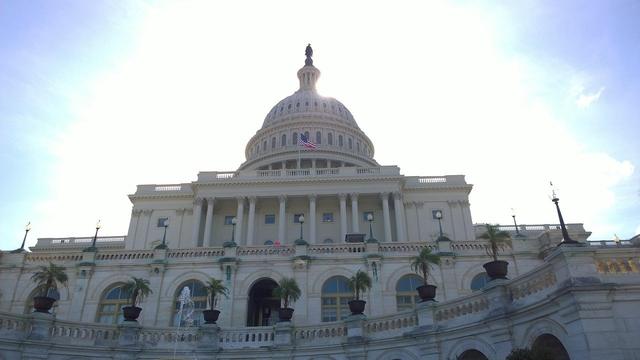
Washington, D.C. – Treasury Secretary Scott Bessent appeared before congressional committees on September 15, 2026 to respond to a series of questions concerning the upward trajectory of consumer prices and the nation’s growing debt load. Lawmakers framed their inquiries around the impact of inflation on everyday Americans, seeking clarification on the administration’s strategy to temper price pressures while maintaining fiscal stability.
During the hearing, Secretary Bessent outlined the Treasury’s ongoing monitoring of consumer price trends and emphasized the department’s coordination with the Federal Reserve and other agencies to assess the broader economic environment. He noted that rising costs affect a wide range of household expenses, from groceries to energy, and that these pressures reverberate through local economies such as those in the Saratoga Springs region. The discussion highlighted the link between national policy decisions and the day‑to‑day financial realities faced by families across the country.
Committee members expressed concern that persistent inflation could erode purchasing power and exacerbate debt burdens for both consumers and the federal government. In response, the Treasury Secretary reiterated the administration’s commitment to a balanced approach that supports growth while curbing inflationary forces. He referenced ongoing efforts to improve supply‑chain resilience, promote competition in key markets, and ensure that fiscal measures do not inadvertently fuel price spikes.
The hearing underscored the importance of transparent communication between the Treasury and elected representatives as the nation navigates a complex economic landscape. While no specific policy changes were announced, the dialogue reflected a shared recognition that addressing rising consumer costs is central to sustaining economic confidence at the local and national levels.
Observers noted that the outcome of such congressional reviews can shape future budgetary priorities and influence how inflationary trends are managed in the months ahead, directly affecting the cost of living for residents in communities like Saratoga Springs and beyond.