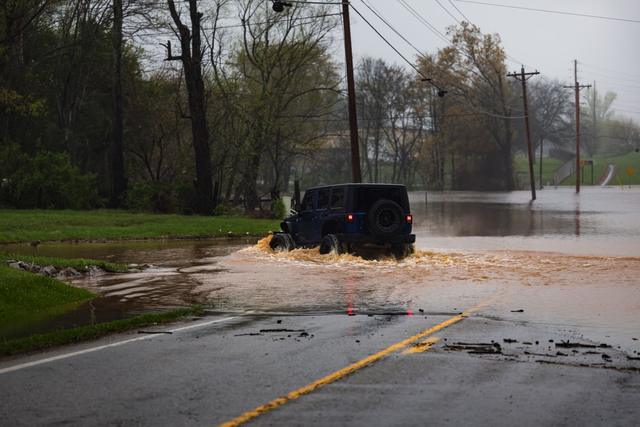
On Saturday, August 6, 2026, the Western Turnpike in Guilderland, New York, was closed to traffic after a bout of heavy rain caused water to cover multiple sections of the roadway. The rapid accumulation of runoff submerged the pavement, creating hazardous conditions that prompted authorities to shut the road as a safety precaution.
Emergency responders and local officials arrived on scene shortly after the flooding was reported. They assessed the depth of water and determined that the inundation made the surface impassable for both passenger vehicles and commercial trucks. Signage and barriers were placed at key entry points to warn drivers and to prevent accidental entry onto the flooded stretch.
The closure affected commuters and freight operators who rely on the Western Turnpike as a primary east‑west corridor through the town. Drivers were redirected to alternate routes, including nearby county roads that remain open but may experience increased traffic volumes. Local law enforcement monitored the redirected traffic flow and provided assistance to motorists unfamiliar with the detours.
Meteorological data from the National Weather Service indicated that the region received an unusually high amount of rain in a short period on August 5 and early August 6, contributing to the sudden rise in water levels. The storm system moved away later in the day, but standing water persisted on the highway, delaying any immediate reopening.
Engineers from the town’s public works department inspected the damaged section to evaluate the extent of erosion and structural impact. Their preliminary report suggested that repairs could be required before the road is deemed safe for regular use, though a specific timeline for reopening has not been set. Residents were advised to stay informed through local traffic updates and to avoid the area until official clearance is announced.
The incident underscores the vulnerability of transportation infrastructure to extreme weather events, prompting discussions among municipal planners about long‑term flood mitigation measures for critical roadways in the region.