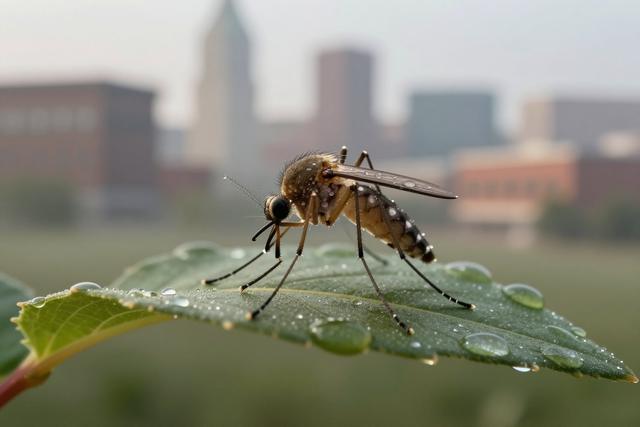
The World Mosquito Program released public‑health guidance this year aimed at homeowners in the Capital Region, including residents of Saratoga Springs, to help reduce mosquito populations and lower the risk of disease transmission. The advice comes as part of the organization’s 2026 effort to combat insects that can carry illnesses such as West Nile virus.
The program’s outreach emphasizes the importance of mosquito control for protecting public health. By offering practical steps for homeowners, the organization seeks to limit opportunities for mosquitoes to breed and to reduce the likelihood of bites that can transmit disease. The guidance is directed at property owners and renters who can influence the presence of standing water and other conditions that attract mosquitoes.
Mosquitoes are known vectors for several illnesses, with West Nile virus cited as a particular concern in the region. The disease can cause a range of symptoms, from mild flu‑like illness to more severe neurological effects. Reducing exposure to mosquito bites therefore plays a critical role in preventing infection and safeguarding community health.
The World Mosquito Program’s recommendations are part of a broader public‑health strategy that includes monitoring mosquito activity and informing the public about preventive measures. By focusing on the Capital Region, the program addresses the specific environmental and residential patterns that affect Saratoga Springs and surrounding areas.
Homeowners are encouraged to follow the program’s guidance as a routine part of property maintenance. The organization stresses that collective effort among residents can lead to a measurable decline in mosquito numbers and associated disease risk. The advice is intended to be straightforward and actionable, allowing individuals to contribute to regional health protection without requiring specialized expertise.
Overall, the World Mosquito Program’s 2026 initiative provides a clear set of recommendations for residents to help control mosquito populations and reduce the potential spread of West Nile virus and other mosquito‑borne illnesses in the Capital Region.