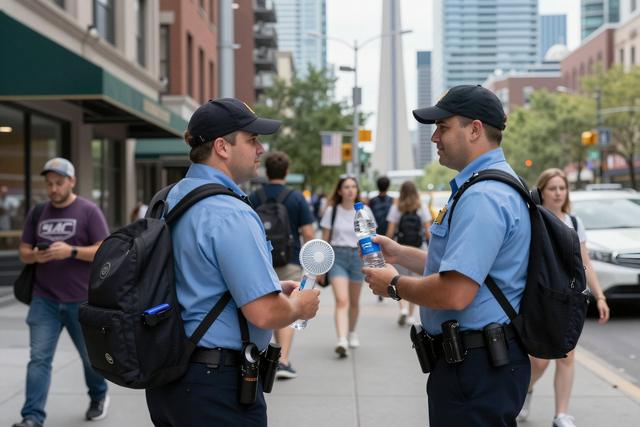
On June 30, 2026, the City of Toronto moved to activate every heat‑emergency protocol in its arsenal after an orange‑level extreme heat warning was issued, city health official Dr. Michelle Murti said. The decision follows the municipality’s established heat‑alert system, which automatically triggers a full response when temperatures climb to levels deemed dangerous for public health.
The orange warning, the second‑highest tier in Toronto’s heat‑alert framework, signals that ambient temperatures have risen to a point where vulnerable populations—such as seniors, young children, and those with pre‑existing medical conditions—face heightened risk of heat‑related illness. Under the city’s emergency plan, activation of all measures includes expanding cooling centre hours, deploying additional staff to monitor at‑risk neighborhoods, and increasing public messaging about hydration and heat safety.
Dr. Murti emphasized that the comprehensive response is designed to mitigate the impact of extreme heat across the entire urban area. By mobilising resources citywide, officials aim to ensure that residents have access to safe, cooled environments and up‑to‑date information on how to protect themselves during the heat event.
Toronto’s heat‑alert system was created to provide a clear, tiered approach to rising temperatures. An orange alert is issued when forecasts indicate sustained high heat that can strain health services and infrastructure. The activation of full heat‑emergency measures is a pre‑planned step that allows municipal agencies to coordinate quickly, reducing the likelihood of heat‑related emergencies.
City officials continue to monitor temperature trends and will adjust the response as needed. Residents are encouraged to stay informed through official channels and to seek out cooling centres if they feel unwell or are unable to stay cool at home. The city’s proactive stance reflects its commitment to public health during extreme weather conditions.