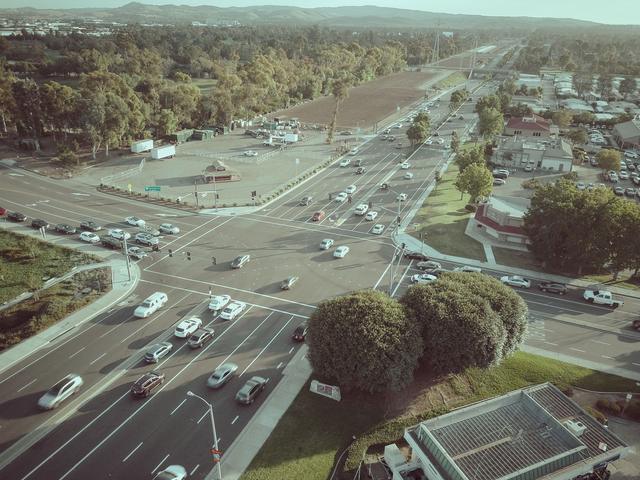
The City of Toronto released early data on Monday indicating that the recent redesign of the Wellington Street West and Portland Street intersection has led to a measurable decline in motor vehicle trips while showing an increase in both cycling and pedestrian activity.
The changes, implemented earlier this year, restrict vehicle access at the downtown junction and introduce new lanes and pathways intended for cyclists and walkers. City officials said the adjustments are part of a broader effort to shift travel patterns toward active transportation across the central business district.
Preliminary counts collected in the weeks following the redesign show a reduction in the number of cars passing through the intersection compared with baseline figures taken before the changes. At the same time, sensors and manual tallies recorded a rise in the number of cyclists and pedestrians using the space. The city has not released exact percentages, but the trend aligns with targets set for the downtown corridor.
The Wellington‑Portland junction sits near a cluster of office towers, cultural venues and residential units, making it a focal point for commuters and residents alike. By reallocating road space, the city aims to improve safety, reduce congestion and encourage healthier travel choices.
Mayor Olivia Chow praised the early results, noting that the data supports the municipality’s long‑term plan to expand protected bike lanes and widen sidewalks throughout the core. She added that the city will continue to monitor traffic patterns and adjust the design as needed.
Transportation planners anticipate that the observed shift could have secondary benefits, such as lower emissions and quieter streets, though those outcomes will be evaluated over a longer period. The city plans to release a comprehensive report later in the year, detailing the full impact of the redesign and outlining next steps for similar projects across Toronto.
The intersection redesign marks another step in Toronto’s ongoing strategy to prioritize active transportation, complementing recent initiatives that have introduced new cycling routes and pedestrian‑friendly streetscapes in other parts of the downtown area.