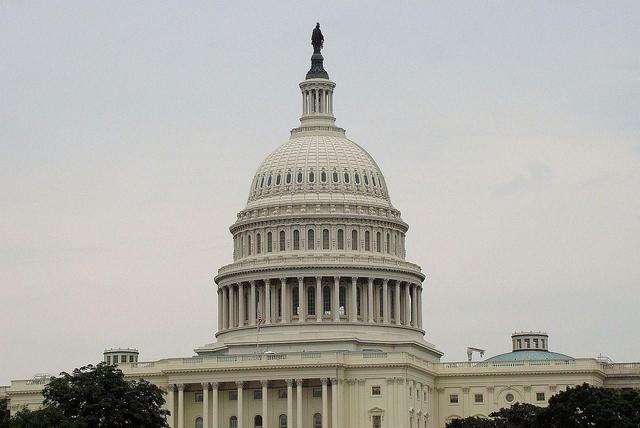
U.S. Senators convened a hearing on Capitol Hill on September 23 to evaluate the privacy implications of artificial intelligence–enabled surveillance cameras. The session brought together lawmakers and representatives from two prominent vendors, Flock and Axon, to discuss how AI integration into security systems could affect citizens' privacy rights.
During the hearing, senators questioned the company officials about the technology's capabilities, data handling practices, and the safeguards currently in place to protect personal information captured by the cameras. Lawmakers expressed concerns that AI-driven analytics could enable more precise identification and tracking of individuals, potentially extending surveillance beyond traditional public‑space monitoring.
The discussion highlighted the broader legislative effort to assess AI-driven security camera technology as part of an ongoing review of emerging surveillance tools. Senators emphasized the need for clear regulatory frameworks that balance public safety benefits with the protection of civil liberties. The hearing underscored the growing scrutiny of how AI algorithms process visual data and the potential for misuse if oversight mechanisms are insufficient.
Both Flock and Axon provided explanations of their products' design, noting existing privacy features such as data minimization and encryption. However, the companies acknowledged that evolving AI capabilities present new challenges that may require updated policies and industry standards. The dialogue reflected a consensus among participants that transparency and accountability are essential as AI becomes more embedded in security infrastructure.
The hearing concluded without immediate legislative action, but it signaled a heightened awareness within Congress of the privacy risks associated with AI surveillance. Lawmakers indicated that further hearings and possible hearings on related topics are likely as the Senate continues its review of the technology. The outcome of these discussions could shape future regulations governing the deployment of AI-powered cameras across public and private sectors.
Stakeholders from technology firms, civil‑rights groups, and law‑enforcement agencies are expected to remain engaged as Congress works toward establishing comprehensive guidelines that address both security objectives and privacy protections.