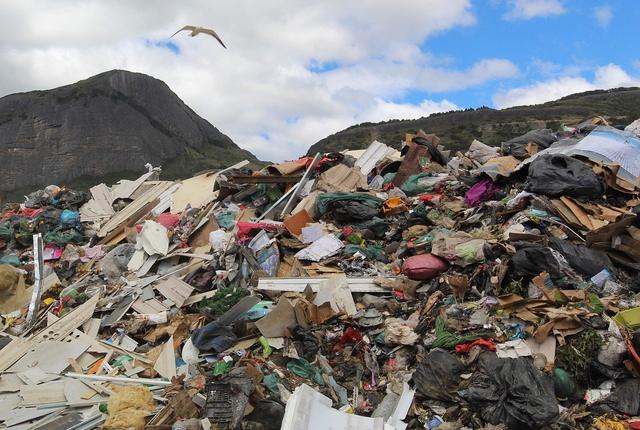
New Jersey’s environmental agencies announced on Thursday, September 10, that a new statewide rule will prohibit the disposal of twenty everyday items in regular garbage. The ban takes effect immediately and is intended to safeguard public health and reduce environmental harm caused by landfill waste.
The rule applies to all residents and businesses across the state, requiring them to follow updated disposal guidelines that identify the prohibited items and outline alternative recycling or collection methods. Officials emphasized that the items in question are among the most frequently discarded and that keeping them out of landfills will lessen pollution and conserve resources.
State agencies will monitor compliance through existing waste‑management programs and will provide informational materials to help the public adjust to the new requirements. Residents are being asked to review the revised guidelines, which will be distributed through municipal offices, online portals, and community outreach events. The agencies stressed that proper disposal is a collective responsibility that supports cleaner air, water, and soil.
While the specific list of items has not been detailed in this announcement, the emphasis remains on everyday products that contribute significantly to landfill volume. The ban reflects a broader effort by New Jersey to align waste‑handling practices with environmental health goals, reducing the strain on landfill sites and minimizing the release of harmful substances.
The agencies indicated that the rule will be enforced through standard waste‑collection inspections and that non‑compliance could result in corrective actions. By shifting these twenty items away from traditional garbage streams, the state aims to promote recycling, composting, and other sustainable disposal options that benefit both communities and the natural environment.
Residents are urged to stay informed, adopt the new disposal practices, and participate in any local programs designed to facilitate the transition. The updated guidelines are expected to be available on municipal websites and at designated public service centers within the coming weeks.