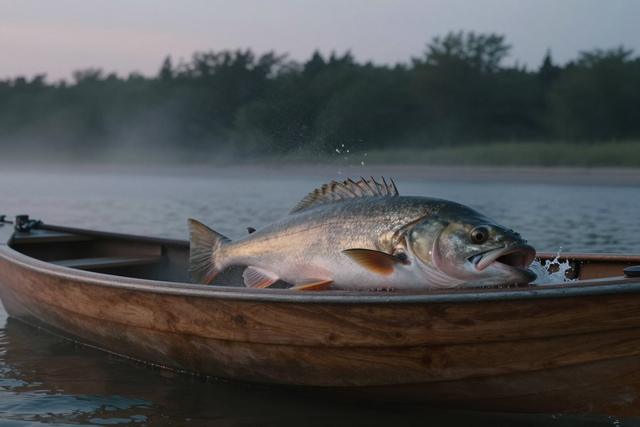
On September 21, 2026, a teen angler fishing in New Jersey waters landed a massive invasive fish, establishing a new state record that eclipses a benchmark that had stood for nine years. The catch, described by officials as unusually large for the species, immediately reset the state’s top‑size listing for invasive fish, marking a personal milestone for the young fisherman and a notable data point for wildlife managers.
The teenager’s haul was verified by state authorities, who confirmed that the fish exceeded the dimensions of the previous record holder, a measurement that had remained unchallenged since its establishment nine years ago. While the exact weight and length were not disclosed, the significance of the catch lies in both the achievement of a young angler and the broader context of New Jersey’s ongoing battle with non‑native aquatic species.
Invasive fish have been a persistent concern in New Jersey’s waterways, where they compete with native species for food and habitat, potentially disrupting local ecosystems. Each encounter with a large invasive specimen provides valuable information for biologists tracking the spread and growth patterns of these organisms. The recent record‑setting catch underscores the scale of the issue, illustrating how invasive species can reach sizes that rival or surpass those of native counterparts.
State wildlife officials emphasized that while the record is a cause for celebration among the angling community, it also serves as a reminder of the need for continued monitoring and management efforts. Programs aimed at controlling invasive populations rely on data from catches such as this to inform removal strategies and public awareness campaigns.
The teenager’s accomplishment has drawn attention from both local anglers and environmental groups, highlighting the dual narrative of individual success and ecological challenge. As New Jersey continues to address the invasive‑species problem, each record—whether celebrated or cautionary—adds to the collective understanding of the state’s aquatic health.
The catch stands as a testament to youthful enthusiasm for fishing and a prompt for ongoing vigilance against invasive threats in the region’s rivers and lakes.