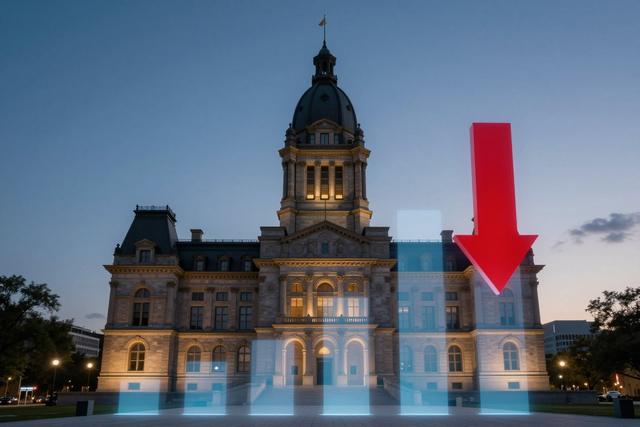
Winnipeg’s municipal government has identified a projected $29 million gap between expected revenues and operating expenses for the 2026 fiscal year. Accounting data compiled through the end of June 2026 shows the shortfall will affect the city’s operating budget.
The $29 million deficit represents the difference between the amount the city anticipates collecting from taxes, fees and other sources and the cost of delivering services such as public safety, infrastructure maintenance and community programs. The figure emerges from the latest financial reconciliation performed by the city’s finance department.
City officials have indicated that the shortfall will require a response before the 2026 budget is finalized. Standard municipal practice in such circumstances includes reviewing spending priorities, identifying possible efficiencies, and exploring additional revenue options. The finance team is expected to present a range of options to council for consideration.
The accounting data reflects transactions up to June 30, 2026, the midpoint of the fiscal year that runs from July 1 to June 30. By that point, the city had already recorded a portion of its revenue streams and expense commitments, allowing analysts to project the remaining balance.
If the gap is not addressed, the city could face constraints on its ability to fund new initiatives or maintain existing service levels. Adjustments may be required to keep the budget in balance.
The shortfall comes at a time when municipal budgets across the province are under pressure from rising costs and changing demographic needs. While specific measures have not been disclosed, the city’s financial officers will continue to monitor revenue trends and expense forecasts as the fiscal year progresses, with updates expected as the budgeting process moves forward.