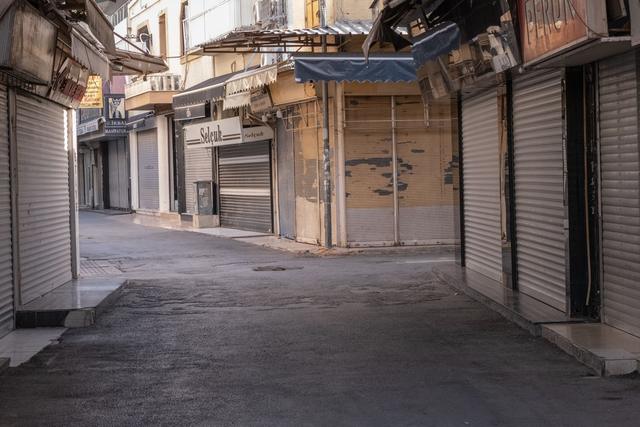
Little Village merchants continue to grapple with financial setbacks and a lingering sense of unease one year after Operation Midway Blitz swept through Chicago. Business owners across the neighborhood report that the operation has left a lasting imprint on both their bottom lines and the community atmosphere.
The operation, which unfolded across Chicago roughly twelve months ago, disrupted daily commerce and created an environment of uncertainty. Since then, local shops, eateries, and service providers have noted a decline in revenue that they attribute directly to the aftermath of the raid. The economic strain is compounded by a pervasive fear among residents and patrons, many of whom remain hesitant to frequent commercial districts that were once bustling.
Neighborhood officials note that the ripple effects of the operation extend beyond immediate financial loss. The atmosphere of apprehension has altered shopping patterns, with some customers opting to travel farther for goods and services rather than patronize Little Village establishments. This shift, while not quantified, is evident in the collective sentiment expressed by business operators who describe a noticeable dip in foot traffic.
Community leaders emphasize that the lingering impact of Operation Midway Blitz underscores a broader challenge for neighborhoods that experienced the raid. The combination of reduced earnings and heightened public wariness has forced many small enterprises to reassess staffing levels, inventory, and long‑term viability. While some owners remain hopeful for recovery, the prevailing mood reflects a cautious outlook as the area works to rebuild trust and economic stability.
As the anniversary of the operation passes, Little Village businesses continue to seek pathways toward normalcy. The ongoing economic losses and community fear serve as a reminder that the consequences of large‑scale law enforcement actions can extend well beyond the immediate event, shaping the fabric of neighborhoods long after the initial impact.