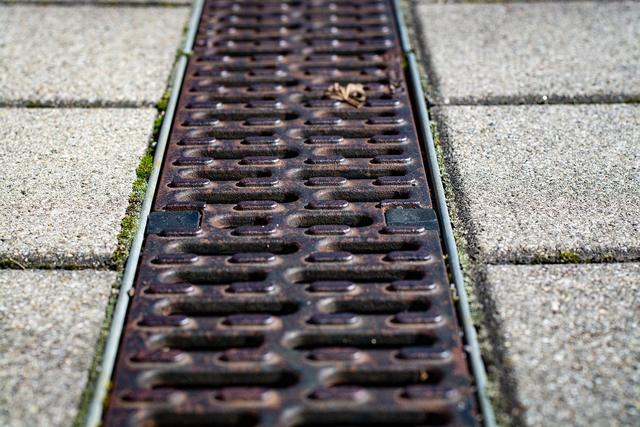
Between September 17 and September 20, 2026, Chicago received roughly six inches of rain, a volume that strained the city’s stormwater infrastructure to its limits. The deluge, spread across four consecutive days, exceeded the capacity of drainage channels and retention basins, leading to widespread surface flooding in several neighborhoods.
Patty Wetli reported that the intensity of the precipitation overwhelmed the system, causing water to back up onto streets and into low‑lying areas. Municipal crews responded by deploying pumps and sandbags, but the sheer amount of runoff continued to challenge the existing network.
Chicago’s stormwater system, designed to handle typical rainfall events, has been subjected to increasing stress from a pattern of frequent, heavy storms in recent years. Engineers note that the infrastructure, much of it built decades ago, was not intended for the sustained, high‑volume inputs now becoming more common. The recent event highlights the gap between design standards and current climatic realities.
City officials monitored water levels in real time, issuing alerts to residents in the most affected zones. While no major injuries were reported, several businesses experienced temporary closures due to inundated entrances, and commuters faced delays as traffic lights malfunctioned under the standing water.
The episode adds to a series of incidents that have prompted discussions about upgrading drainage capacity, expanding green infrastructure, and revising maintenance schedules. However, concrete plans for system expansion remain under review, with funding and logistical considerations still being evaluated.
As the rain subsided, cleanup efforts began, focusing on removing debris from culverts and assessing damage to pavement and underground utilities. Residents were advised to remain cautious of residual water pockets, which can pose slip hazards and conceal hazards such as downed power lines.
The four‑day storm serves as a recent example of how extreme precipitation can outpace existing urban water management, underscoring the need for continued assessment of Chicago’s stormwater resilience.