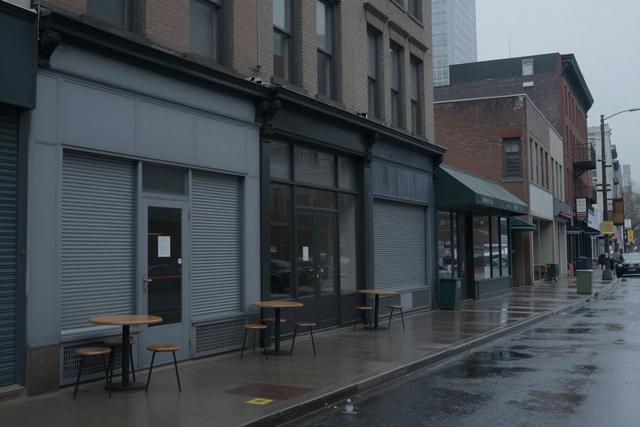
The University of Illinois Chicago released a study on September 8, 2026 that estimates retail and restaurant activity in the Chicago metropolitan area fell by $1.2 billion as a result of heightened immigration enforcement. The analysis links the financial decline directly to a recent surge in immigration raids and checks that targeted both documented and undocumented workers, according to the report’s authors.
The report attributes the loss to reduced consumer spending among communities affected by the enforcement actions. Researchers noted that the intensified presence of immigration agencies in neighborhoods with large immigrant populations coincided with a measurable drop in sales for local merchants, including small independent shops and full‑service restaurants. The study does not provide a breakdown of the loss by sector but emphasizes that the combined impact on retail and dining establishments reached the $1.2 billion figure.
The findings come after several weeks of coordinated immigration operations across the city, which officials say were aimed at enforcing federal immigration laws more stringently. Local business groups have reported slower foot traffic and lower transaction volumes during the period of intensified checks. While the university’s analysis does not assign responsibility to any specific agency, it underscores the broader economic consequences that can accompany enforcement policies. The study’s authors suggest that the observed contraction in consumer activity reflects a direct correlation between enforcement intensity and business performance in the Chicago area.
The University of Illinois Chicago team plans to continue monitoring economic indicators to assess whether the downturn persists or stabilizes as enforcement practices evolve. The report adds to a growing body of research examining how immigration policy enforcement can influence local economies, particularly in cities with sizable immigrant labor forces.