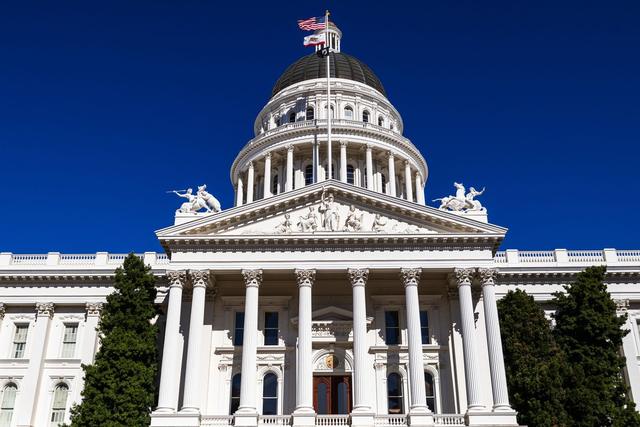
California state lawmakers introduced a bill on Monday aimed at simplifying the process by which the state can take control of unclaimed stocks and mutual funds. The proposal would expand the authority of state agencies to claim ownership of securities that have remained inactive for a prescribed period.
The measure enjoys the backing of Democratic legislators and has received support from various business groups that contend current procedures are overly complex and costly. Lawmakers say the new rules would cut administrative steps, allowing the state to act more swiftly when securities are left without a registered owner.
California currently faces a substantial inventory of unclaimed securities, a situation that has prompted officials to explore reforms. The volume of dormant stocks and mutual fund holdings has grown enough to draw attention to the need for a more efficient system to manage these assets.
Proponents of the bill argue that streamlining the seizure process will help return value to the state’s coffers. By converting abandoned investments into state‑controlled assets, officials anticipate an increase in revenue that can be directed toward public services and programs.
Under the proposed legislation, the state would be permitted to assume control after a defined period of inactivity, reducing the paperwork and legal hurdles that presently delay action. The change is intended to lessen the burden on both the agencies handling the assets and the owners who may eventually claim them.
The bill is slated for discussion in upcoming legislative sessions, where lawmakers will consider its implications for investors, financial institutions, and the state budget. If enacted, the new framework would mark a shift in how California addresses the sizable pool of dormant securities, aiming for a more direct path to reclaiming their value.
Stakeholders are expected to monitor the bill’s progress closely, as its passage could set a precedent for other states dealing with similar challenges in managing unclaimed financial assets.