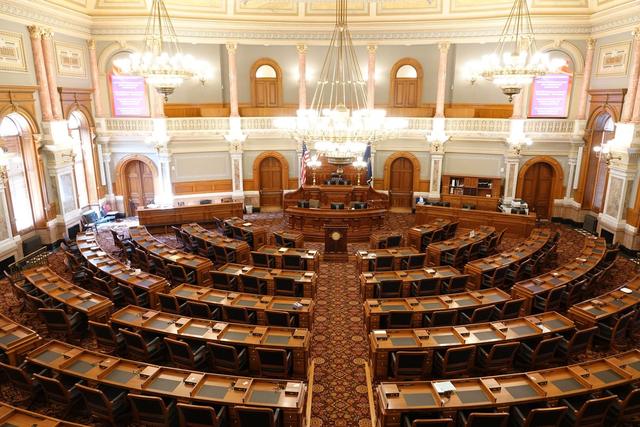
State lawmakers in Sacramento voted on August 15 to defeat a bill that would have permitted the reintroduction of grizzly bears into California’s wild lands. The measure, considered by the California Legislature at the State Capitol, failed to secure enough support to advance.
The proposal sought to restore a species that disappeared from the state’s ecosystems in the early twentieth century. Since that period, grizzlies have been absent from California’s forests and mountains, surviving only in captive facilities and as an emblem on the state flag.
Supporters of the legislation argued that a managed reintroduction could enhance biodiversity and reconnect California with a historic predator. Opponents raised concerns about public safety, potential conflicts with livestock owners, and the logistical challenges of establishing a viable bear population in a heavily populated region.
With the bill’s defeat, California’s grizzly remains confined to zoos and symbolic representation. The decision leaves the issue of wildlife restoration open for future legislative sessions, but for now the state’s official emblem continues to feature the bear without a living counterpart in the wild.
The grizzly bear, once a common sight across the Sierra Nevada and coastal ranges, was driven to extinction in California by habitat loss and hunting pressures. By the 1920s, the last known wild individuals had disappeared, leaving the animal only in private collections and wildlife parks.
State officials noted that any future attempt to reestablish the species would require extensive habitat assessments, coordination with federal wildlife agencies, and a clear plan for human‑bear interactions. As of the August 15 vote, no such framework has been approved, leaving the reintroduction proposal without legislative backing.