The Los Angeles County Fire Department announced Tuesday that it is expanding its workforce and positioning additional personnel and equipment to respond quickly to wildfires during an upcoming week of extreme heat. The move comes as forecasts predict a period of very dangerous temperatures across the county, a condition that historically raises the likelihood of fire ignition and rapid spread.
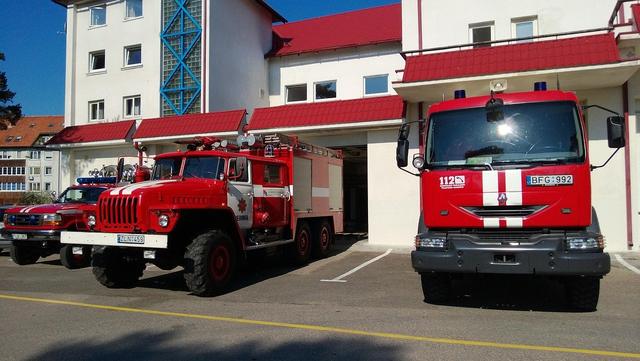
Fire officials said the staffing boost will involve assigning extra crews to high‑risk areas and staging critical resources such as engines, water tenders and fire‑suppression tools closer to vulnerable communities. By pre‑positioning these assets, the department aims to cut response times and improve its ability to contain any blazes that may arise under the severe heat.
Los Angeles County regularly experiences heightened wildfire danger when temperatures climb to record levels. The dry vegetation and low humidity that accompany such heat create conditions in which a small spark can quickly develop into a larger fire. In response, the fire department routinely reviews its readiness plans, and this latest effort reflects a proactive stance to mitigate potential threats.
The department emphasized that the augmented staffing and resource placement are part of a broader strategy to protect residents, property and natural resources during the forecasted heat wave. While the exact number of additional personnel has not been disclosed, officials indicated that the increase is significant enough to enhance the department’s operational capacity throughout the high‑risk period.
Community leaders have been briefed on the fire department’s preparations and are encouraged to stay informed about fire safety measures. Residents are reminded to observe local fire restrictions, keep defensible space around homes and report any signs of smoke or fire promptly. The department will continue to monitor weather conditions and adjust its deployment of staff and equipment as needed to ensure an effective response to any wildfire incidents that may develop during the heat wave.