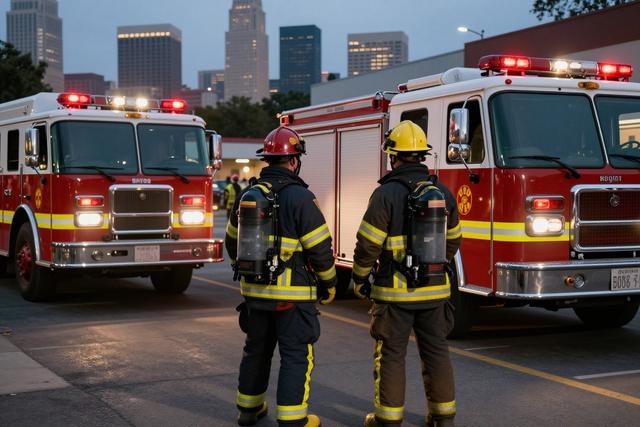
Los Angeles firefighters are warning that proposed reductions to the department’s budget could lengthen emergency response times and add strain to fire stations already operating at capacity. The concerns are being raised as city officials debate how to address a sizable municipal budget gap that has prompted discussions of cuts across a range of departments.
Department officials say the fire bureau is facing a growing workload while staffing levels have remained static. They argue that any decrease in funding would limit the ability to maintain equipment, fund training programs, and keep stations fully staffed. According to the firefighters, such constraints could translate into slower arrival on the scene of fires, medical calls, and other emergencies, potentially affecting public safety.
The budget shortfall in Los Angeles has become a central issue for city leaders, who are weighing options to balance the municipal ledger. Proposals under consideration include trimming expenditures in several city services, with the fire department identified as one of the areas slated for possible cuts. City representatives have not yet disclosed specific figures for the proposed reduction, but the debate reflects broader fiscal pressures affecting the region.
Firefighters emphasized that the department’s current resources are already stretched by a growing population and increasing call volume. They noted that maintaining response standards relies on adequate staffing, modern equipment, and ongoing training—all of which require stable funding. The warning from the fire bureau comes as part of a larger conversation about how to preserve essential services while addressing the city’s financial challenges.
Stakeholders from both the fire department and city administration are expected to continue negotiations throughout August. The outcome will determine whether the fire bureau can sustain its current operational capacity or will need to adjust its service model in response to the budgetary environment.
The situation underscores the tension between fiscal restraint and the need to ensure rapid emergency response in one of the nation’s largest urban centers.