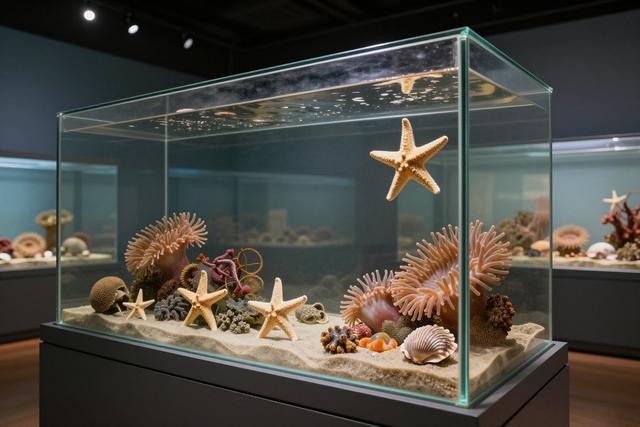
Scientists at the Los Angeles County Natural History Museum announced on Friday, August 7, that they are building a biolibrary of California tide‑pool organisms. The collection will serve as a reference to monitor how climate change is affecting these vulnerable coastal habitats.
The biolibrary will house specimens from tide pools along the state’s shoreline, creating a baseline of species composition and genetic material. Researchers plan to use the archive to detect shifts in population health, distribution and diversity as temperatures rise and sea levels increase. By preserving living and preserved samples, the museum aims to provide a long‑term data set that can be compared against future field observations.
Tide pools are recognized as fragile ecosystems that experience rapid changes in temperature, salinity and exposure due to their shallow, intertidal nature. Recent studies have highlighted their sensitivity to warming waters and the encroachment of higher sea levels, which can alter the balance of algae, invertebrates and fish that depend on these micro‑habitats. The museum’s initiative responds to these concerns by establishing a controlled repository that can help scientists track the impacts of climate stressors over time.
The project is being conducted within the museum’s existing research facilities in Los Angeles. While details of the collection’s size and specific species have not been released, museum staff indicated that the biolibrary will complement ongoing field surveys along the California coast. By linking laboratory‑based observations with real‑world changes, the effort seeks to improve the accuracy of climate‑impact assessments for coastal ecosystems.
The biolibrary represents an early step in a broader strategy to safeguard biodiversity in the face of a changing climate. Museum officials said the reference collection will be accessible to the scientific community for future research, education and conservation planning, reinforcing the institution’s role in regional environmental stewardship.