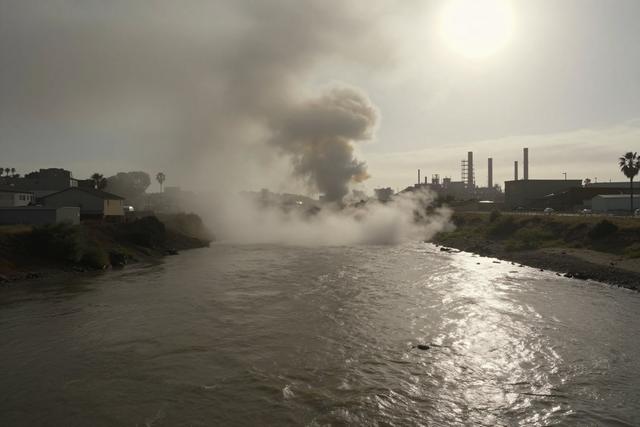
City officials reported on Monday, August 17, 2026, that toxic runoff from the Lineage wildfire entered the Los Angeles River while Long Beach kept its beaches open for public use. The flow of hazardous water into the river was confirmed by local leaders after the fire produced runoff that traveled downstream.
The Lineage fire generated runoff containing substances deemed hazardous, prompting immediate concern over the quality of water in the river system. As the runoff moved through the channel, officials noted that the contamination raised questions about the safety of recreational areas that rely on the river and adjacent coastal waters.
A noted gap in environmental regulations delayed the initiation of water testing after the runoff was detected. This regulatory shortfall limited the ability of city agencies to respond quickly, leaving officials without timely data on the extent of contamination. The delay in testing has been identified as a factor that constrained rapid mitigation efforts.
Despite the presence of the toxic runoff in the river, Long Beach authorities chose to keep its beaches open. The decision was made while monitoring agencies evaluated potential impacts on beach water quality. Concerns about the safety of swimmers and beachgoers persisted, but officials indicated that current assessments did not warrant closure at that time.
City leaders continue to monitor the situation, emphasizing the need for improved regulatory mechanisms to ensure faster testing and response in future incidents. The incident underscores the challenges of managing wildfire‑related pollution in urban waterways and highlights the importance of coordinated environmental oversight.