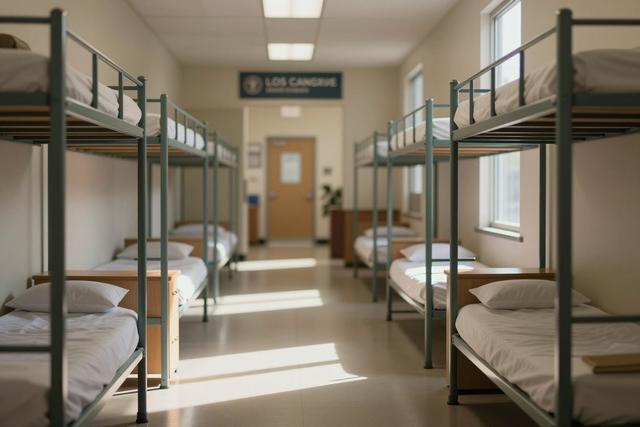
California State University, Los Angeles is facing a paradox on its campus housing front. While the university's 2025 housing plan identified a need for roughly 500 additional dormitory beds, a large portion of the existing beds remain unoccupied, highlighting a disconnect between projected demand and current utilization.
The campus, located in Los Angeles, has seen a steady influx of college students seeking affordable accommodation. Yet, despite the reported shortfall, many of the existing dormitory spaces are not being filled. The situation underscores a broader housing crunch affecting students across the region, where the supply of on‑campus housing fails to meet the demand for affordable options.
University officials have pointed to the 2025 housing plan as a guide for future development, emphasizing the identified need for an extra 500 beds to accommodate the growing student body. However, the current vacancy rates suggest that simply adding more beds may not resolve the underlying issues. Factors such as pricing, location preferences, and the availability of off‑campus alternatives may be influencing students' choices, though specific details were not provided.
The empty dormitory beds have prompted discussions among campus administrators about how to better align housing resources with student needs. While the plan to expand capacity remains on the agenda, the university may need to assess why existing spaces are not being utilized before committing to new construction.
Students continue to navigate the limited housing market, balancing academic commitments with the challenge of finding suitable living arrangements. The contrast between the projected need for additional beds and the reality of unfilled existing ones remains a focal point for university planners as they consider the next steps in addressing the campus housing shortage.