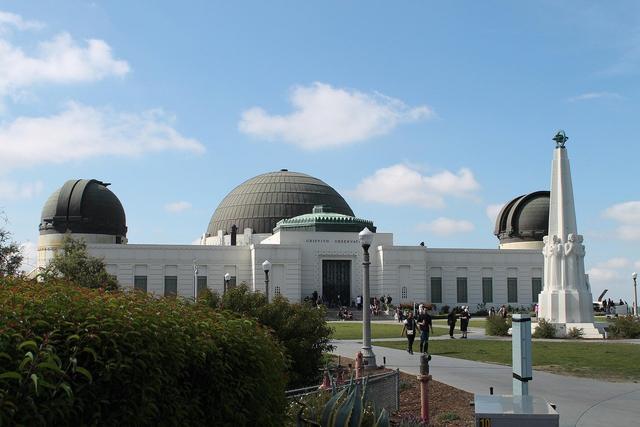
A nearly total lunar eclipse will be visible across Southern California on Thursday night, and Griffith Observatory in Los Angeles will offer a public viewing session as well as an online broadcast. The event begins at 7:25 p.m. local time and continues until 12:05 a.m. on Friday, with 96 percent of the Moon entering Earth’s shadow during the peak of the eclipse.
The eclipse will start as the Moon moves into the outer part of Earth’s umbra at 7:25 p.m., progress toward maximum coverage shortly after, and remain in shadow for several hours before emerging at 12:05 a.m. The high percentage of coverage means the Moon will appear dramatically darkened, though a thin rim of illumination may still be visible around the edges.
Lunar eclipses occur when Earth passes directly between the Sun and the Moon, blocking sunlight that would otherwise illuminate the lunar surface. As the Earth’s atmosphere bends some sunlight around its edges, the Moon often takes on a reddish hue during totality. In this case, the eclipse will be classified as “nearly total” because most, but not all, of the Moon will be engulfed by Earth’s umbral shadow.
Griffith Observatory will host on‑site viewing for the public, allowing attendees to observe the progression of the eclipse through telescopes and binoculars set up on the observatory’s grounds. For those unable to travel, the observatory will stream the event live from its website, providing commentary and close‑up images as the Moon moves through the shadow. Both in‑person and online participants will have the opportunity to watch the celestial event as it unfolds over the late‑evening hours, offering a rare glimpse of a nearly total lunar eclipse from a convenient Los Angeles location.