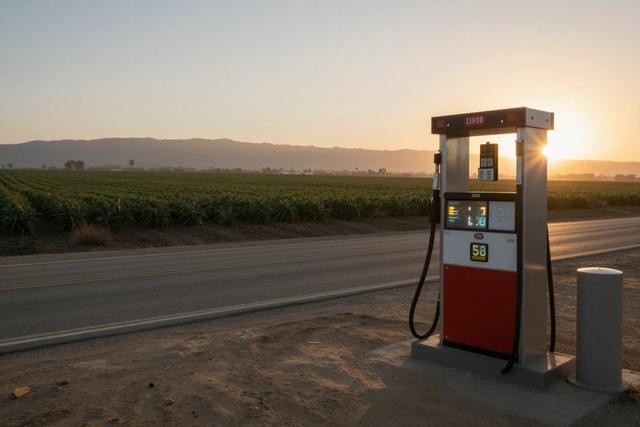
Diesel fuel prices in California have climbed to a record high, pushing up operating expenses for the state’s agricultural producers and trucking companies, according to recent reports. The surge in diesel costs is being felt across the supply chain, adding financial pressure to farms, fleet operators and the broader economy.
California’s farming sector, which relies heavily on diesel‑powered equipment for planting, harvesting and transport, is now confronting higher fuel bills. The increase in diesel prices translates directly into greater expenditures for running tractors, combines and other machinery essential to crop production. As a result, farm operators are facing tighter margins and may need to adjust budgeting and pricing strategies to accommodate the added expense.
Trucking fleets that move goods throughout the state are experiencing similar cost escalations. Diesel is the primary fuel for most commercial trucks, and the record price level means that carriers must allocate a larger portion of their revenue to fuel purchases. The heightened expense could influence freight rates, as carriers seek to offset the rise in operating costs.
Supply chains that depend on both agriculture and trucking are also feeling the ripple effect. Higher transportation costs can lead to increased prices for consumer goods, as businesses pass on some of the added expenses. The cumulative impact of rising diesel prices contributes to broader economic pressure within California, where many industries are interconnected.
Economists note that fuel price spikes historically affect sectors that are fuel‑intensive, and the current record level in California underscores that trend. While the exact duration of the price increase remains uncertain, stakeholders across farming, trucking and logistics are monitoring the situation closely and exploring ways to mitigate the financial strain.
The record diesel price development adds a new layer of challenge to California’s economy, highlighting the sensitivity of key industries to energy costs and the importance of fuel price stability for maintaining competitive operations.