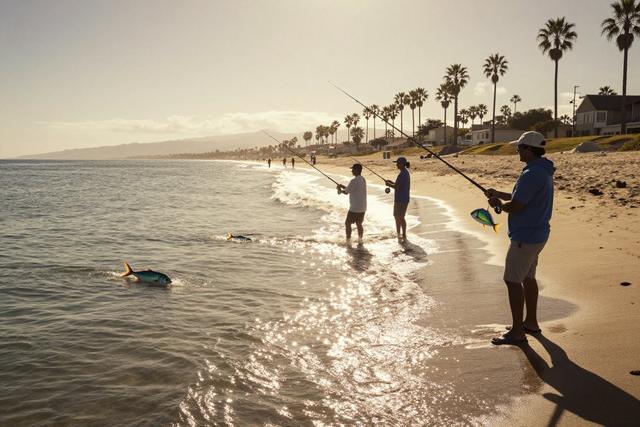
Southern California anglers are experiencing a notable surge in catches as warm-water fish species move into the region's coastal waters. The increase, observed this week, follows a period of elevated ocean temperatures linked to recent El Niño activity and marine heatwaves.
Scientists attribute the rise in water temperature to a combination of the lingering El Niño pattern and a series of heatwave events that have pushed sea surface temperatures above seasonal norms. These conditions have created a hospitable environment for fish that typically inhabit more southerly waters, prompting them to travel north along the coastline.
Local fishermen report that the influx of these species is generating a fishing boom, with more anglers venturing out to capitalize on the unexpected abundance. The phenomenon has drawn both seasoned and recreational fishers to popular spots along the Southern California coast, where they are encountering species that were rarely seen in the area in previous years.
The shift in marine life distribution underscores the broader impact of climate variability on coastal ecosystems. While the immediate effect is a heightened level of activity for those who fish, researchers note that such changes may have longer-term implications for regional fisheries and marine biodiversity. Ongoing monitoring will track how persistent the warm-water influx remains and whether it will alter the composition of fish populations along the California shoreline over time.