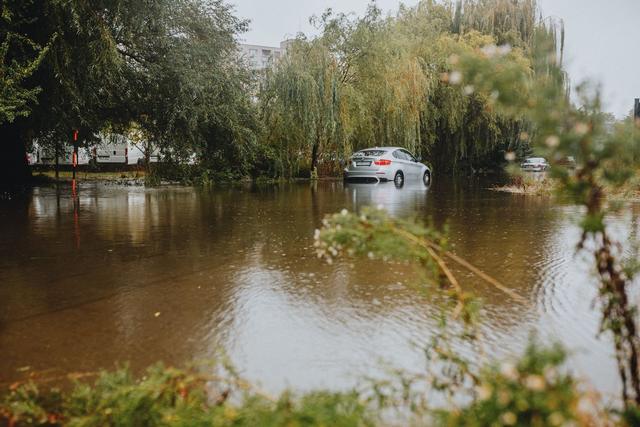
On August 21, 2026, a water main rupture in the Los Feliz neighborhood of Los Angeles sent a surge of water onto nearby streets, sidewalks and a restaurant patio, creating hazardous conditions for pedestrians and businesses. The sudden release of water overwhelmed the drainage system, allowing water to pool along the roadway and spill onto the footpaths that line the area. Patrons at the affected eatery found their outdoor seating area submerged, prompting staff to clear tables and relocate diners indoors.
City crews were dispatched to the site shortly after the incident was reported. Responders worked to locate the break, shut off the flow and begin repairs, while also directing traffic around the flooded sections to ensure safety. The blockage of the main line caused water to rise quickly, prompting temporary closures of the affected blocks while the repair effort continued.
Los Feliz, known for its tree‑lined streets and vibrant dining scene, has experienced water main failures on occasion, leading to similar street flooding events in the past. These incidents typically arise from aging infrastructure and the pressure placed on underground pipes by the region’s climate and usage patterns. Local officials have noted that such disruptions, while inconvenient, are addressed through coordinated municipal response to minimize impact on residents and businesses.
Neighbors reported that the water level on the sidewalks reached a depth that made walking difficult, and the restaurant’s patio was completely covered, forcing the establishment to halt outdoor service for the remainder of the day. No injuries were reported, and the flooding did not extend beyond the immediate vicinity of the break.
As repairs progressed, water flow was gradually reduced and the affected areas were cleared of standing water. The city’s public works department indicated that the main line would be fully restored once the damaged section was replaced, and that they would monitor the site for any further issues. The incident underscores the ongoing challenges of maintaining aging water infrastructure in a densely populated urban area.