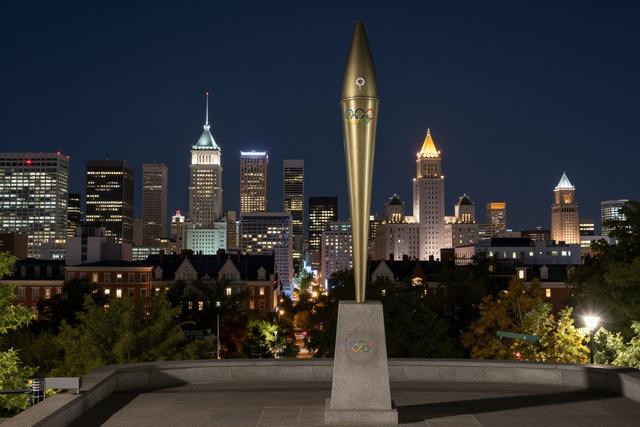
The 1976 Montreal Olympic Games have been officially entered into Quebec’s cultural heritage registry, a decision announced by the province’s cultural heritage authorities on August 1, 2026. The designation comes exactly fifty years after the Summer Games took place in the city and follows an acknowledgement of the event’s worldwide reach, which at the time attracted roughly one billion viewers.
The 1976 Summer Olympics were a landmark moment for Montreal, marking the city’s first hosting of a major international sporting competition. The Games brought athletes from around the globe to the Canadian metropolis, showcasing its infrastructure, culture and urban landscape on a stage viewed by an unprecedented global audience. The event remains a reference point in the city’s modern history, symbolising both the ambition and the challenges of hosting a worldwide spectacle.
By adding the 1976 Olympics to the heritage register, Quebec’s cultural authorities aim to preserve the memory of the Games as a formative episode in the province’s cultural narrative. The designation recognises the role the event played in introducing Montreal to a global audience, reinforcing its identity as an international city. It also opens the door for ongoing conservation of related sites, archives and memorabilia associated with the Games.
Officials noted that the heritage listing reflects a broader effort to honour events that have shaped Quebec’s public life and cultural expression. While the 1976 Olympics were celebrated for their athletic achievements, the new status underscores their lasting impact on the city’s reputation and on the collective memory of residents who experienced the Games first‑hand or through the massive television audience of the era. The heritage registration ensures that this historic moment will be formally recognised and preserved for future generations.