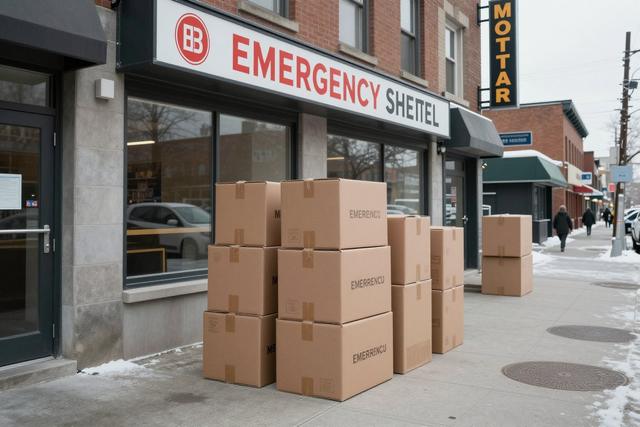
On July 1, 2026, 71 households in Montreal continued to rely on emergency shelters, a rise from the 40 households that were in temporary accommodation at the same time last year. The increase follows Quebec’s unofficial moving day, a tradition that prompts many families to seek short‑term housing after leases end and new residences are not yet ready.
The provincial custom of shifting residences on Canada Day creates a predictable spike in demand for emergency accommodation across the city. When leases terminate on June 30, tenants often must move on July 1, leaving gaps between leaving one dwelling and moving into another. The resulting shortfall in available permanent housing pushes some families into shelters while they search for new homes.
City officials have noted that the current count of 71 households reflects the ongoing challenge of matching supply with the seasonal surge. The figure represents an increase of 31 households compared with the same date in 2025, when 40 households were recorded in emergency housing. No additional details on the composition of the households or the length of their stays have been released.
Community groups and social service agencies continue to monitor the situation, offering assistance to those displaced by the July 1 turnover. Their efforts focus on connecting families with affordable rental options and providing basic necessities while they remain in temporary facilities. The heightened need for emergency shelter underscores the broader housing affordability issues that surface each year around the moving day.
As the city moves beyond the holiday weekend, authorities expect the number of households in emergency housing to gradually decline as new leases begin and families secure permanent accommodations. However, the pattern observed this year suggests that the annual moving day will keep pressure on emergency housing resources for the foreseeable future.